
Bellingham Garage Door Guide
Why Your Garage Door Jumps the Track
Bellingham homes built between 1944 and 2002 have specific track and roller issues from age and cold, damp winters. Here's what causes it and when to call.
- Licensed & Insured
- Same-Area Service Calls
- Upfront Pricing
What Is Going On
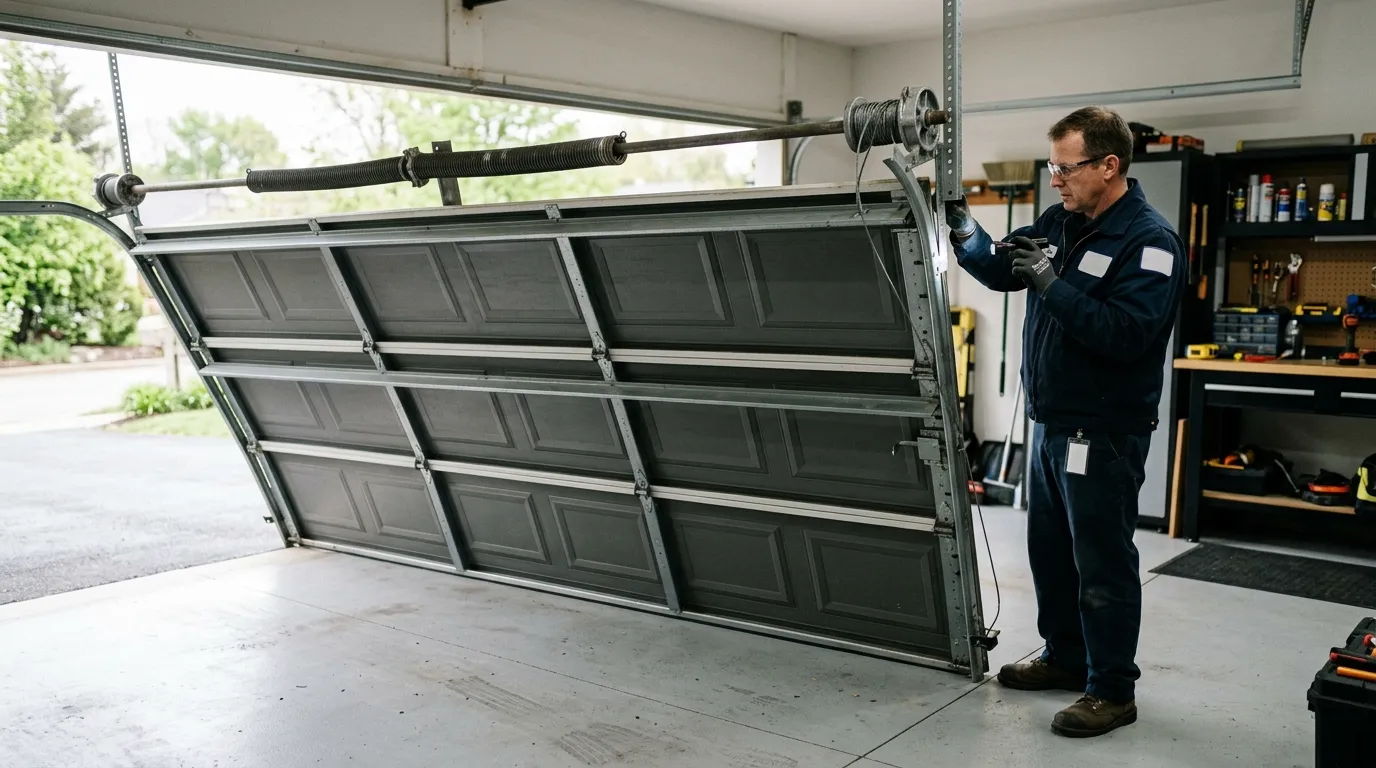
A door off track almost always starts small. A roller works loose from a bent bracket, or a track section pulls away from the wall a fraction of an inch, and the door still opens and closes for weeks before it finally jumps. In Bellingham, a lot of what we see traces back to the age of the housing stock.
Median build year here is 1988, with houses going up anywhere from 1944 to 2002 across neighborhoods like Cordata, Birchwood, and the Lettered Streets. That means a large share of the doors we get called on are original hardware, or a second-generation door hung on the original track and jamb from decades ago. Steel tracks flex over that many years.
Lag bolts back out of studs that have shrunk and settled. None of that is a defect - it's just what forty-plus years does to galvanized steel and old-growth fir framing. The failure point is usually one of three things: a roller that's worn round instead of cylindrical, a track bracket with stripped or backed-out fasteners, or a bottom section that's racked from an uneven slab.
Once one roller binds, the door starts pulling sideways every cycle, and the track walks a little further out of line each time until it lets go.
What the Weather Here Does to It
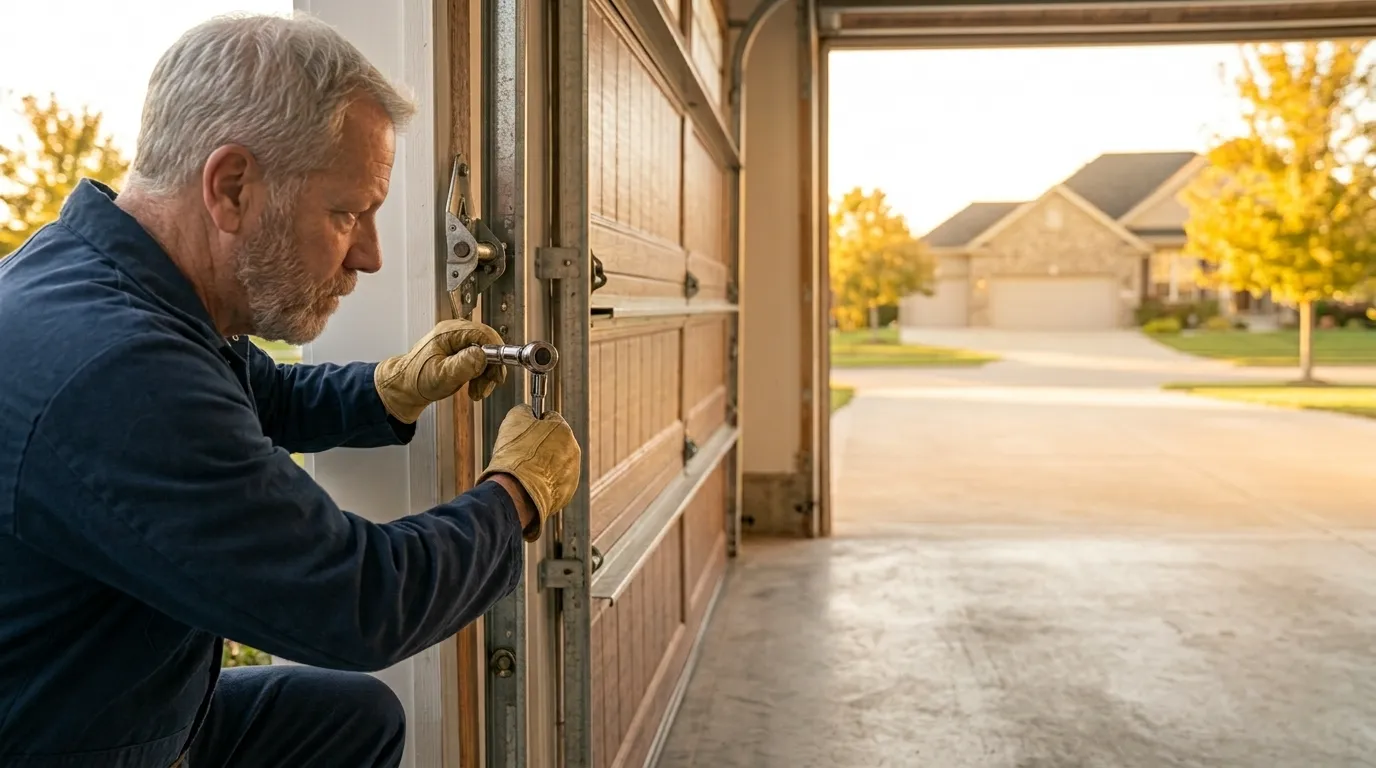
Bellingham sits in a cold-moderate band, not the deep freeze-thaw of the interior, but enough seasonal damp and cold to matter over decades. Steel track brackets and lag screws see repeated cycles of moisture and chill through fall and winter, and that's what loosens fasteners in framing that's already thirty or forty years old in a lot of these neighborhoods. Wood jambs swell slightly in wet months and shrink back in summer, and a track bolted tight in August can be a sixteenth of an inch loose by January.
That's not enough to notice on its own, but it's exactly the kind of play that lets a roller start walking sideways in its track. We also see it more on north- and west-facing garages - Birchwood and Samish Hill homes with less afternoon sun tend to hold dampness in the framing longer through the wet months, which shows up as slower-forming rust on hardware that's otherwise still serviceable. None of this means the climate here is harsh.
It's mild compared to a lot of the country. But mild-and-damp for decades on end works on steel and wood fasteners in its own slow way, and that's the mechanism behind most of the track calls we take.
When Waiting Is Fine
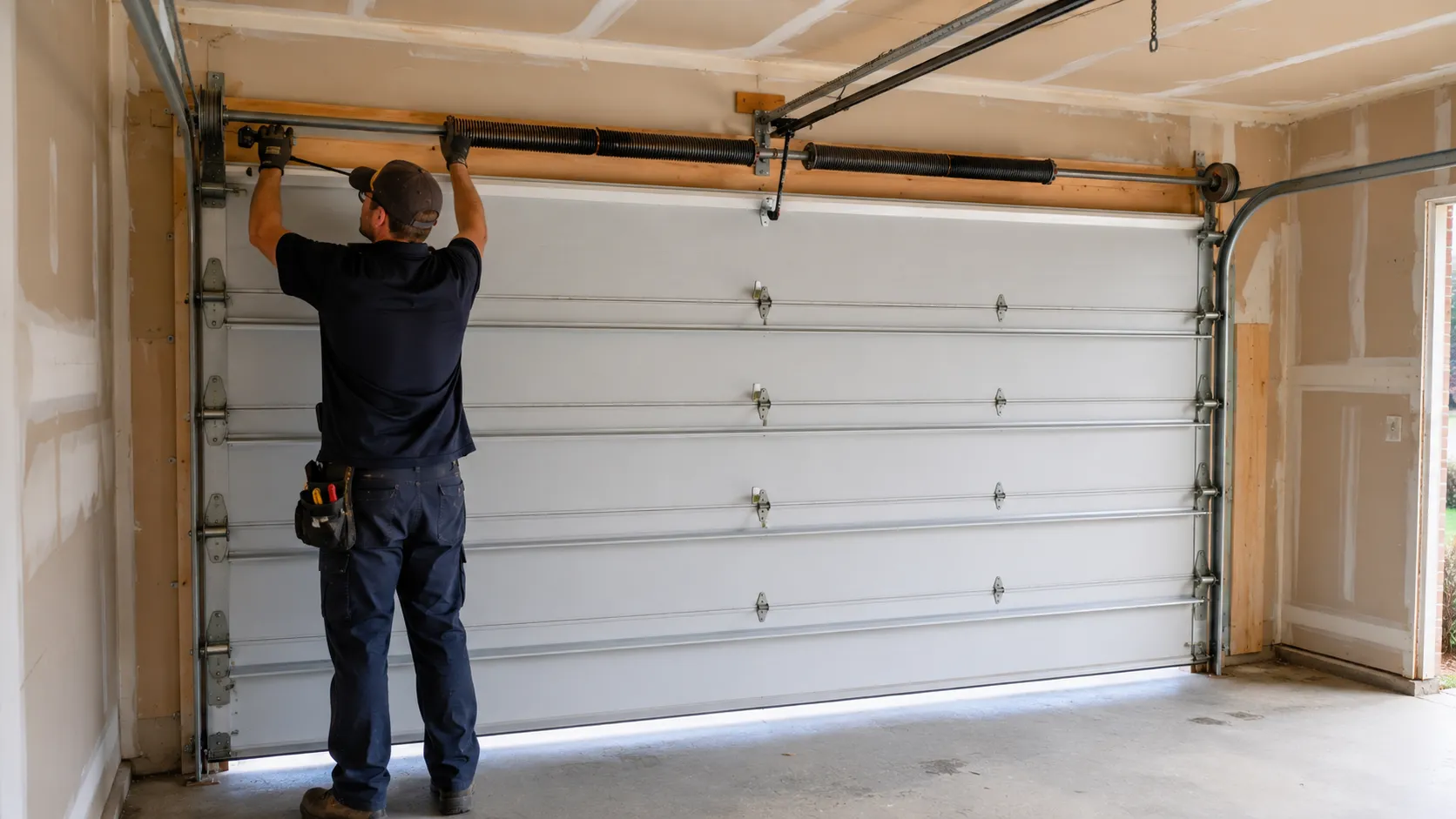
Not every door that looks off track needs a same-week call. If the door still opens and closes smoothly, tracks it straight, and you just noticed a roller that looks slightly worn or a bracket bolt that's a little loose, you can usually get by tightening the visible fasteners and watching it for a couple of weeks. A door that's cosmetically rattly but mechanically sound isn't an emergency.
If you've got an older one-piece or an early sectional door original to a house from the 1950s through 1970s, minor track wander that doesn't get worse cycle to cycle is often just the hardware settling with the season, not a sign of failure. Keep an eye on it, don't force it if it sticks, and don't ignore a new sound that shows up and stays. The honest limitation here: we can't tell you over the phone whether your specific door is fine to wait on.
A worn roller on a light single door might run another year. The same wear on a heavier double door with an old torsion spring can turn into a real problem fast, because the spring is compensating for a door that's binding.
When to Call Someone
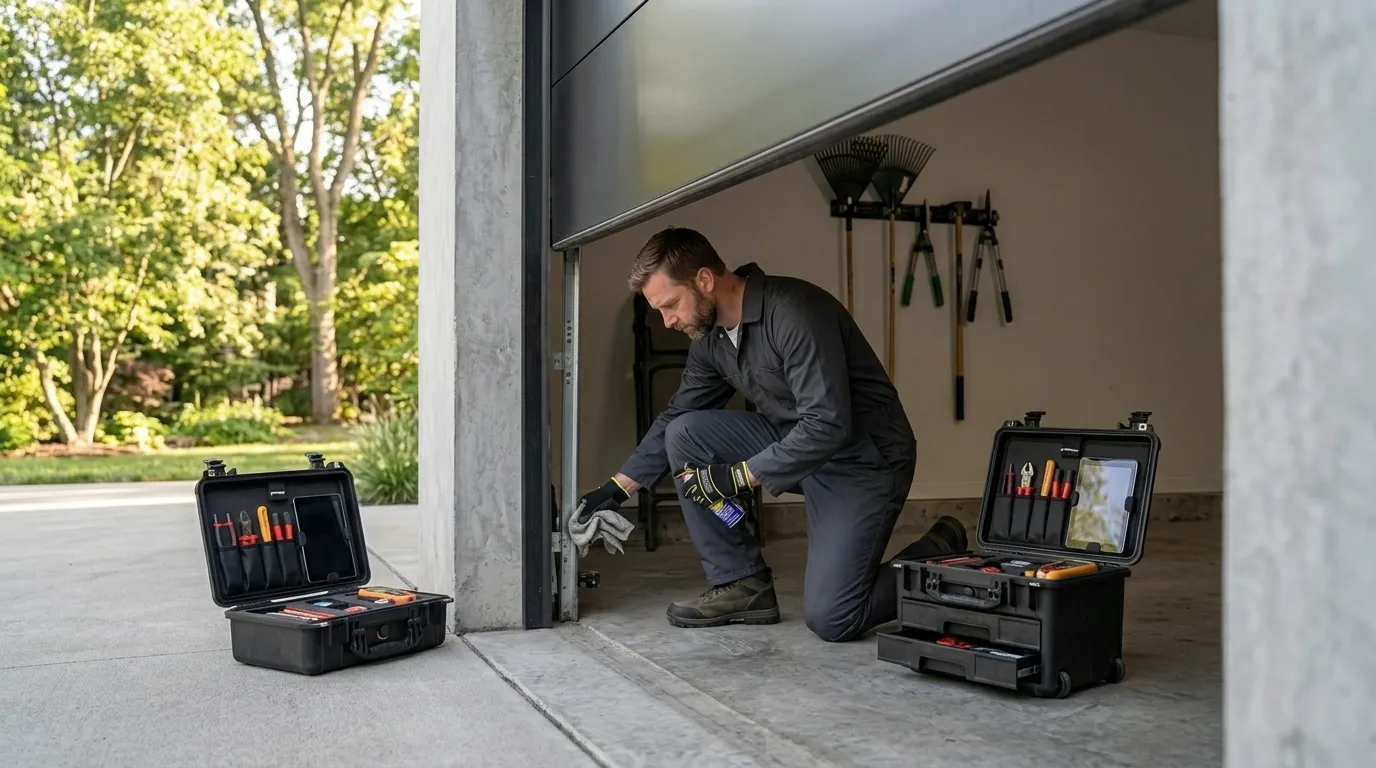
Call when the door jumps the track partway, when it binds and reverses on its own mid-cycle, or when you can see daylight between the roller and the track on one side while it's closed. Any of those means the door is no longer running true, and running it further usually bends the track worse or cracks a panel where it's binding. Same goes for a door that's suddenly loud in a new way, especially a grinding or popping sound near the top rollers - that's often a track bracket that's about to let go rather than one that already has.
If you're in an older section of town on original 1970s or 80s hardware, don't try to force the door back onto the track yourself; the metal is old enough that bending it back can crack it instead of straightening it. A door that's already off track on one side is also a spring-tension risk, since the cables can slip their drums. That's not a DIY fix regardless of the age of the house.
How We Can Help
Garage Door Repair
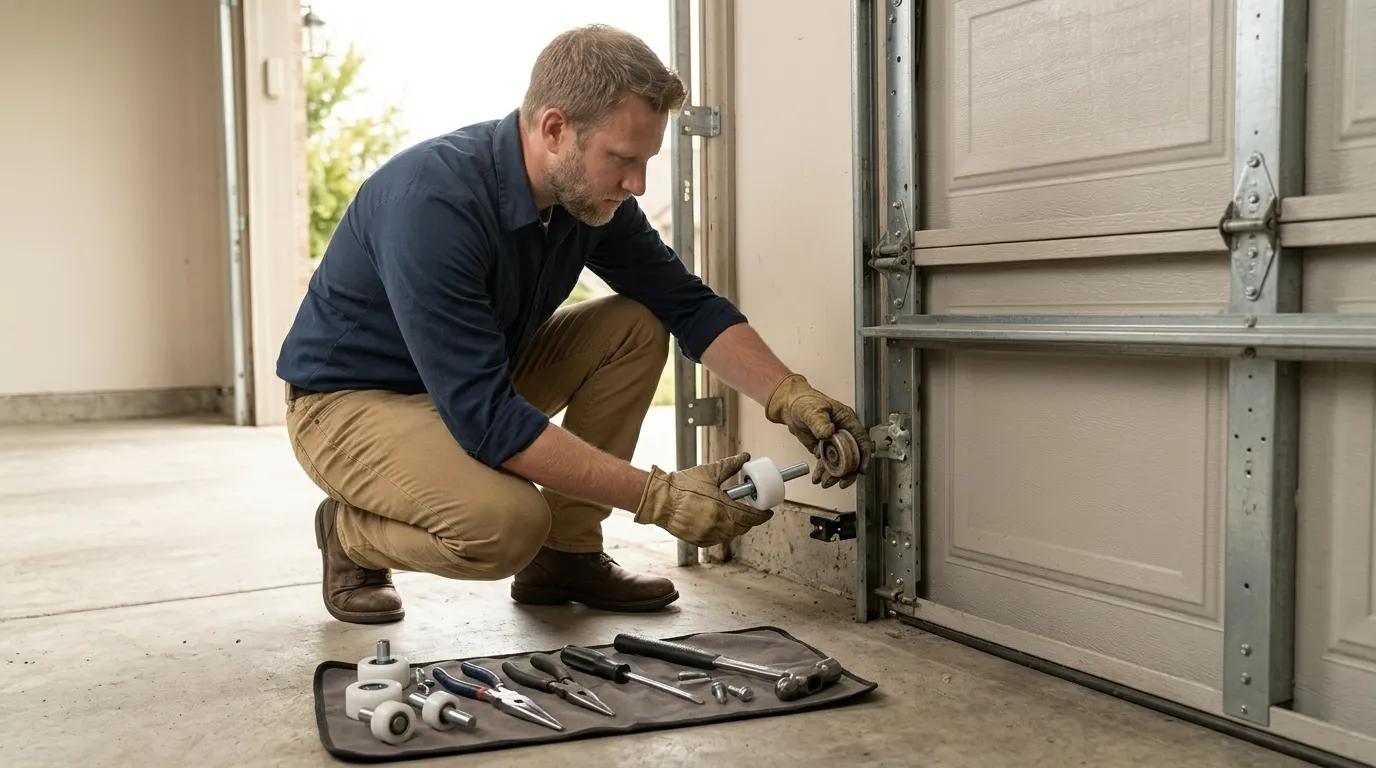
Springs, cables, tracks, rollers, and openers fixed by a tech who explains the problem before touching anything.
Learn more →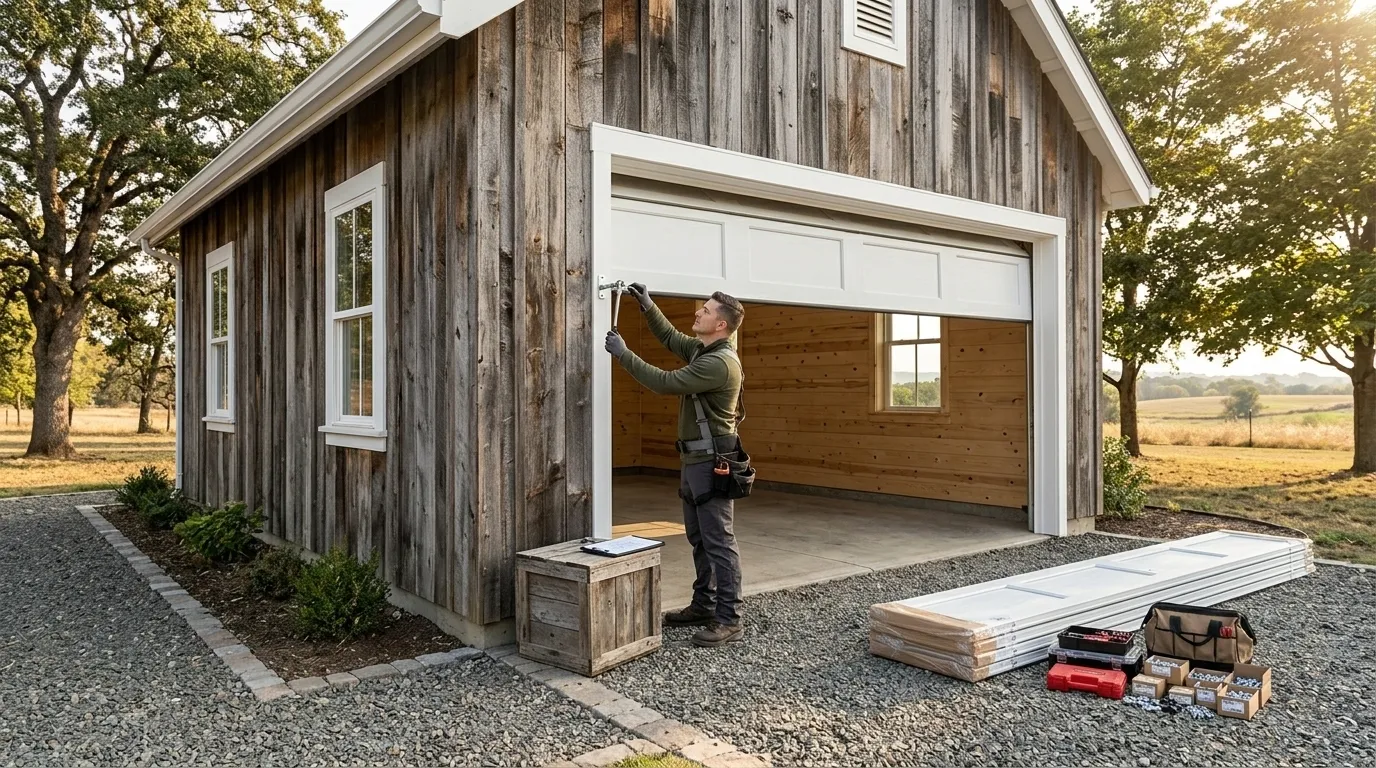
Garage Door Installation
New sectional doors sized and installed for the housing stock actually built in this area.
Learn more →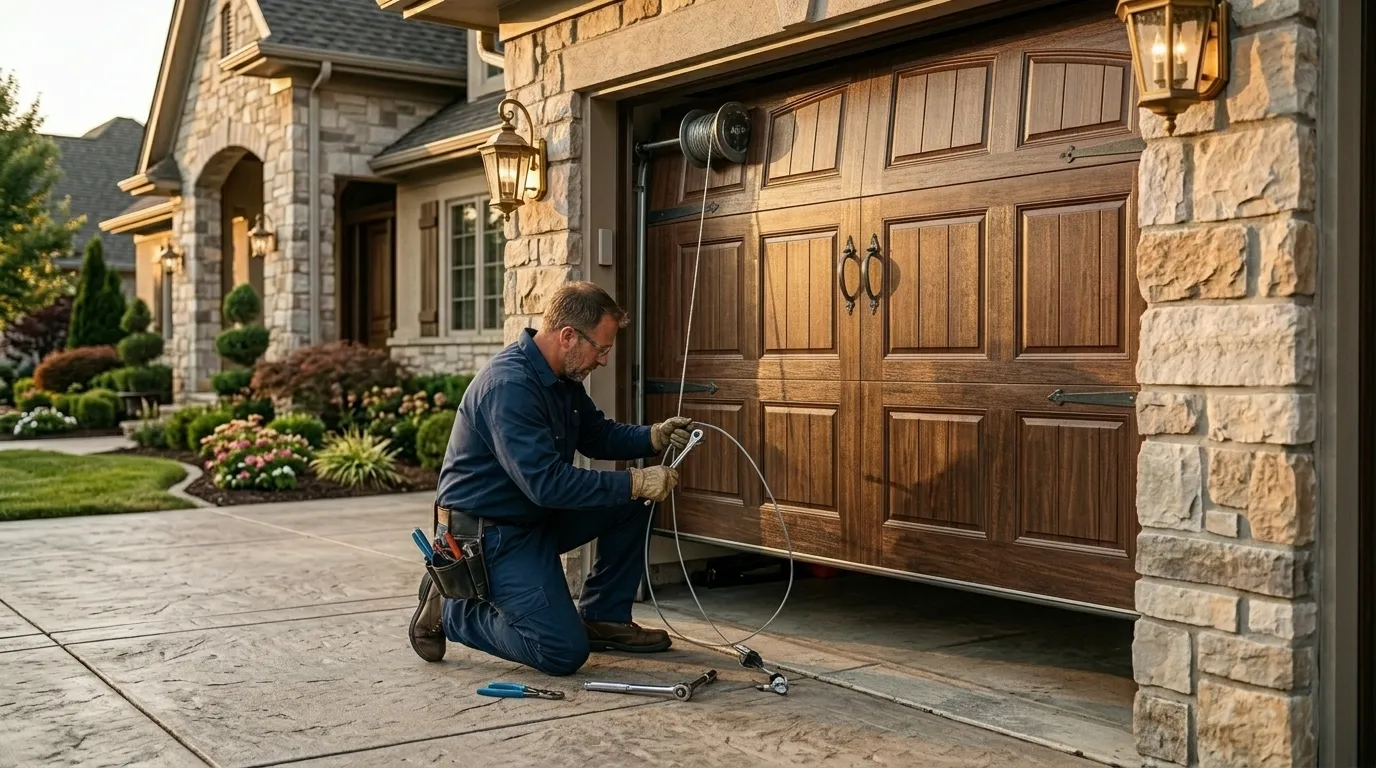
Garage Door Service
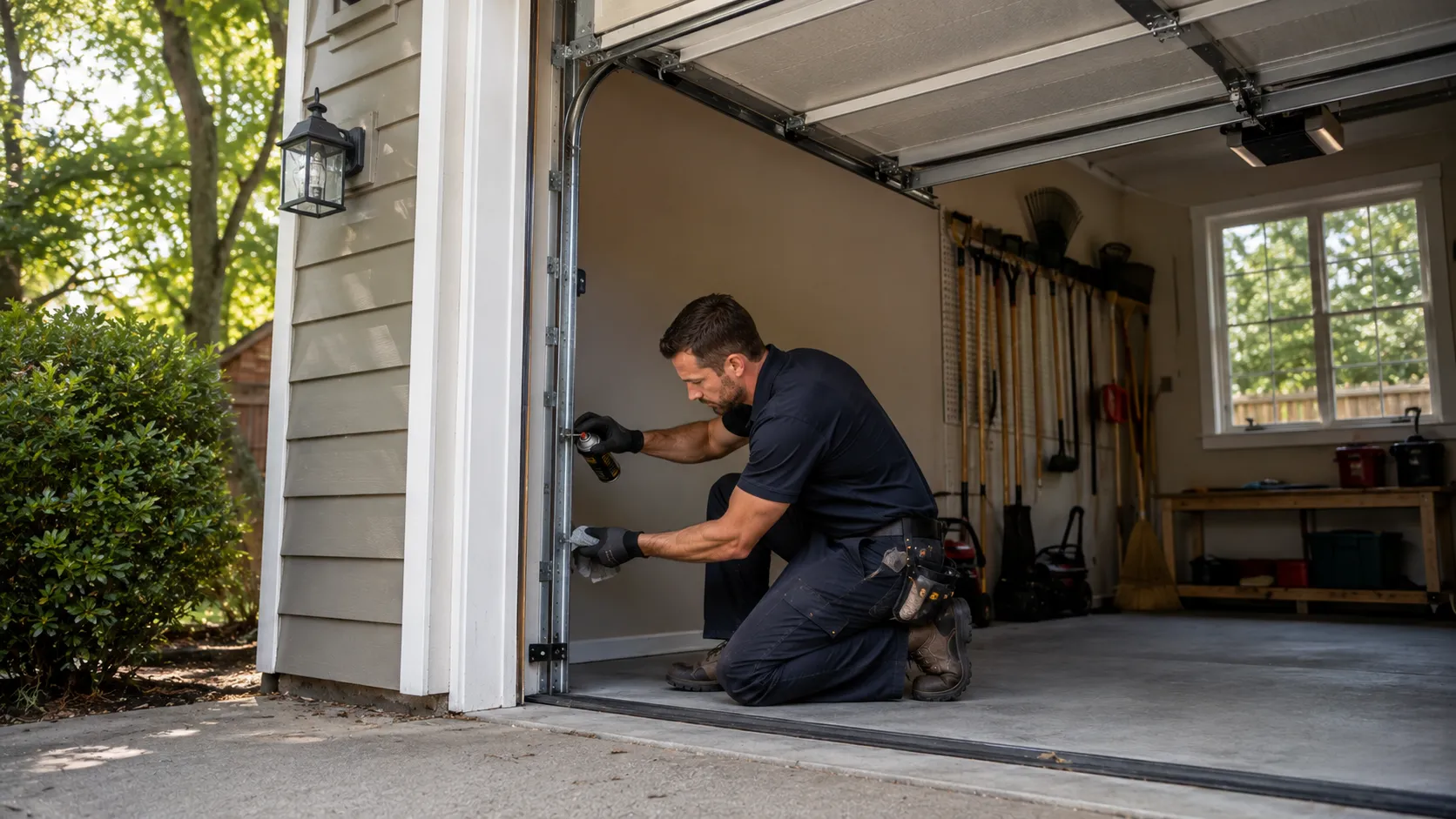
Tune-ups, lubrication, and safety checks that catch a small problem before it becomes a service call.
Learn more →Frequently Asked Questions
Why does my garage door only go off track in winter?
It's usually not the cold itself but the damp that comes with it. Wood jambs swell slightly through Bellingham's wetter months and shrink back in summer, so a track bracket that was snug in August can work loose by January. On a house from the 1970s or 80s, decades of that cycle add up to real play in the fasteners.
Is it normal for an older Bellingham house to have this problem?
It's common. With median construction here around 1988 and plenty of housing dating to the 1940s through 60s, a lot of doors are still running on original track and brackets. That hardware isn't defective, it's just old, and steel track flexes and fasteners back out over that many years.
Can I push the door back onto the track myself?
We'd rather you didn't. Forcing an off-track door can bend the track further or crack a panel, and if the door is under spring tension, the cables can slip off the drum while you're working near it. It's a call, not a DIY fix.
Does a rattly door mean I need a new track?
Not necessarily. A loose bracket or a worn roller can often be fixed without replacing the whole track. Full track replacement usually only makes sense when the rail itself is bent or badly rusted, not just when a fastener has backed out.
Have a Door That Needs a Second Opinion?
Call and describe what it is doing - we will tell you what it likely is.