
Bellingham Garage Door Guide
What Your Garage Door Is Dealing With in Bellingham
Most Bellingham houses date from 1944-2002, median build year 1988. Here's what that housing stock and the cold, damp climate actually do to your garage door.
- Licensed & Insured
- Same-Area Service Calls
- Upfront Pricing
What Is Going On
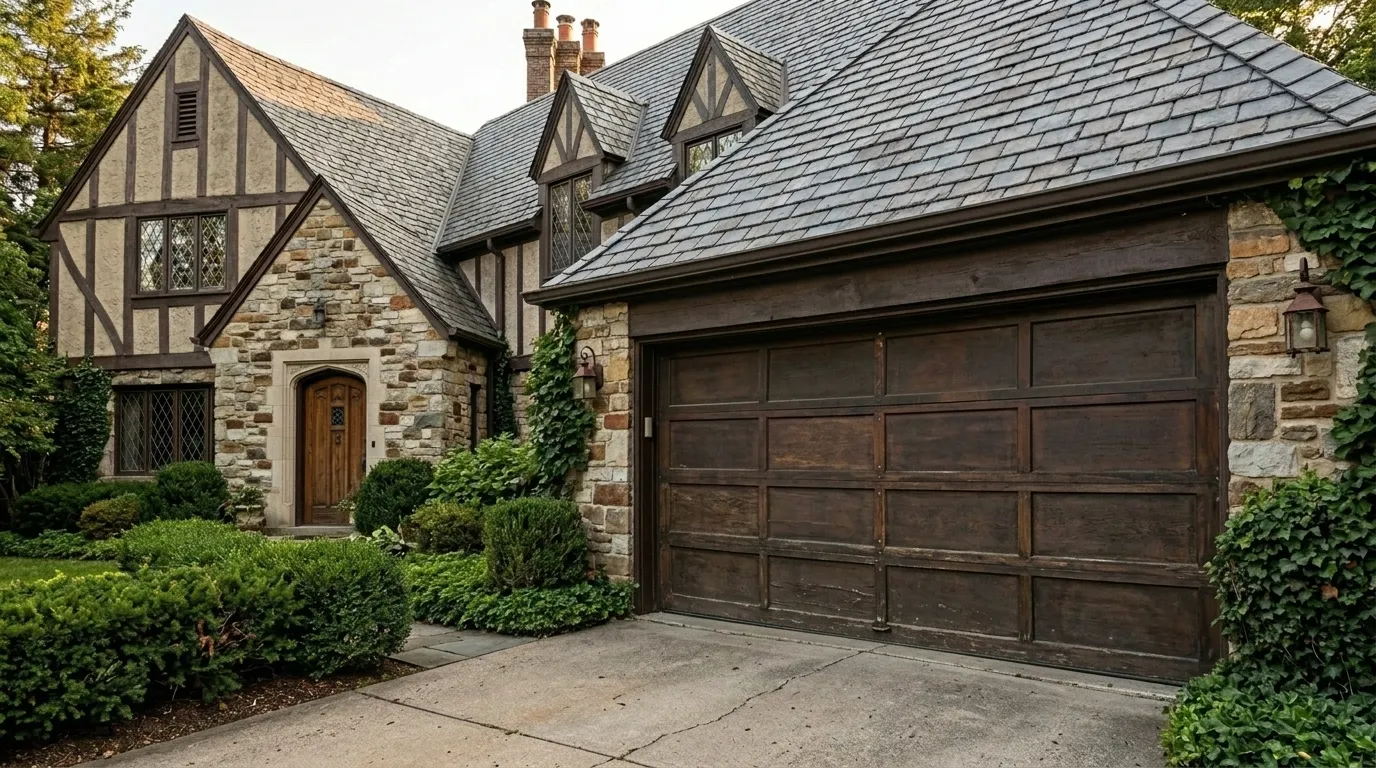
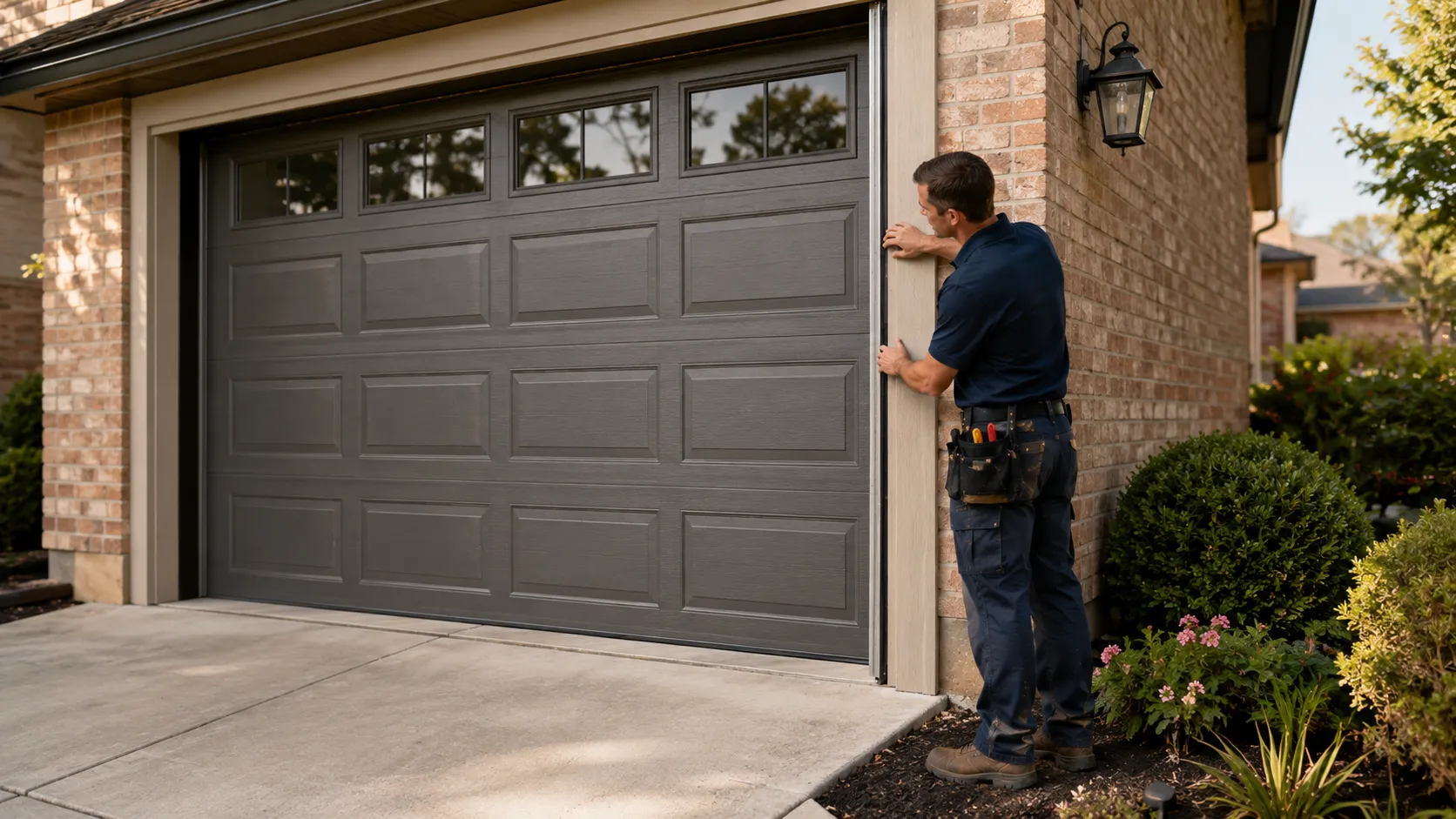
Across Bellingham's 17 named areas, from Lettered Streets to Cordata to Samish Hill, the housing stock runs 1944 to 2002 with a median build year of 1988. That matters more than people think. A door built for a house from the late 80s was speced to a different set of expectations than what you'd put in today, and most of these openers, tracks, and springs are original or one replacement removed from original.
With 21,317 owner-occupied houses across the service area and 37,367 households total, there's a big band of doors sitting right at the age where hardware starts to fatigue but hasn't failed outright. Springs rated for a certain cycle count are wearing down quietly. Rollers that were fine for a decade start chattering.
None of this is dramatic. It shows up as a door that's slower, louder, or a little crooked going up - not as a door that won't open at all.
The mix of 1980s-90s stock alongside older 1944-vintage homes means two different problems live in the same neighborhood: newer builds with sagging factory hardware, and older houses that may have had a door swapped once already, sometimes not well-matched to the opening.
What the Weather Here Does to It
Bellingham sits in a cold, moderate climate band - not brutal cold, but consistent damp and consistent temperature swings through the year. That combination is harder on a garage door than a single hard freeze would be.
Wood panels and untreated steel take on moisture, swell slightly, then dry and contract again and again. Over years built on a median 1988 house, that cycle works on seams, weatherstripping, and the bottom seal long before it works on the panel itself.
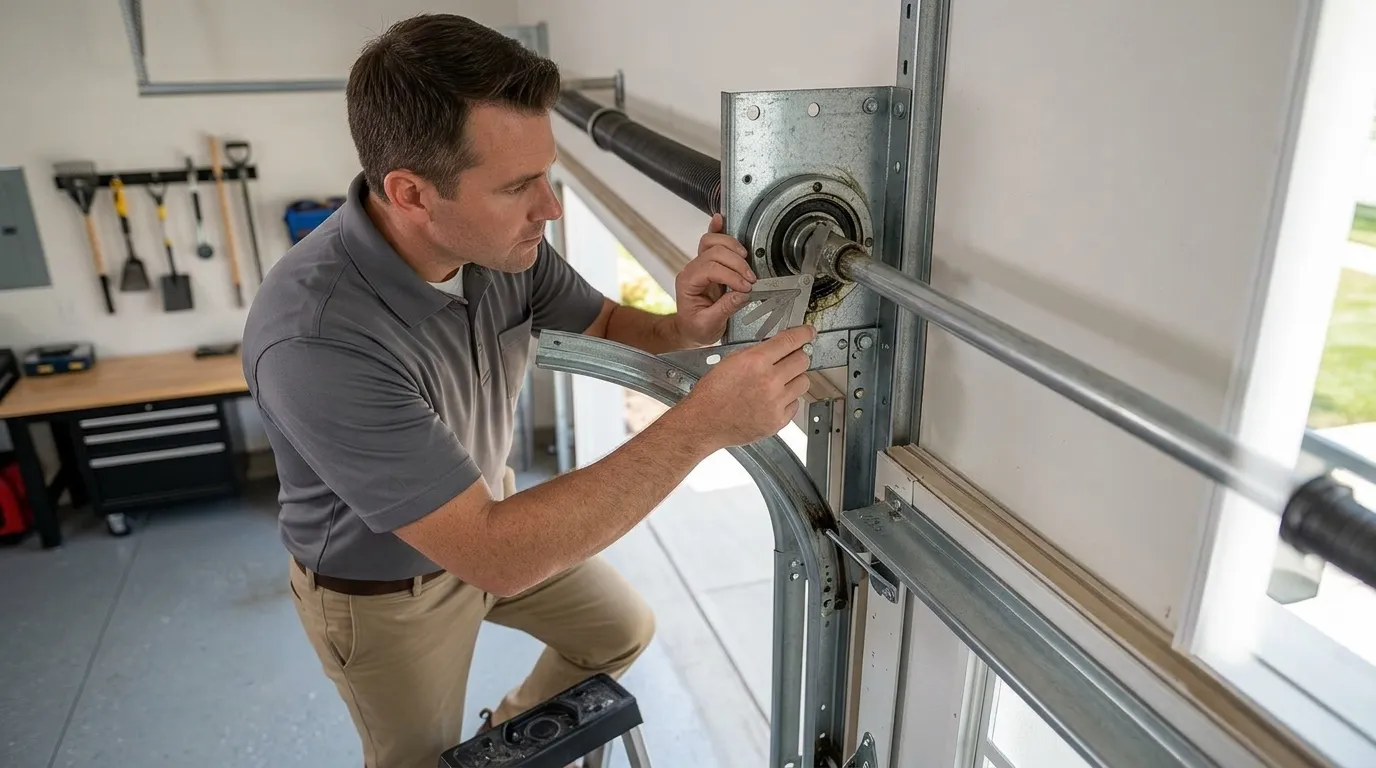
Metal hardware isn't immune either. Torsion springs and hinges that sit in a damp garage for a Bellingham winter corrode faster than the same parts would in a dry climate, even without an extreme low temperature to point to. You'll often see rust starting at the bottom bracket or on cable ends before anything else looks wrong.
The honest limit here: we can't say how any one specific door will hold up, because condition depends on how sealed the garage is and whether the door's been maintained. What we can say is that the climate band itself - cold and consistently moist rather than dry - is a steady, unglamorous wear factor on the doors built during Bellingham's main construction era, and it's one reason a door that looks fine can still bind or seal poorly.
When Waiting Is Fine
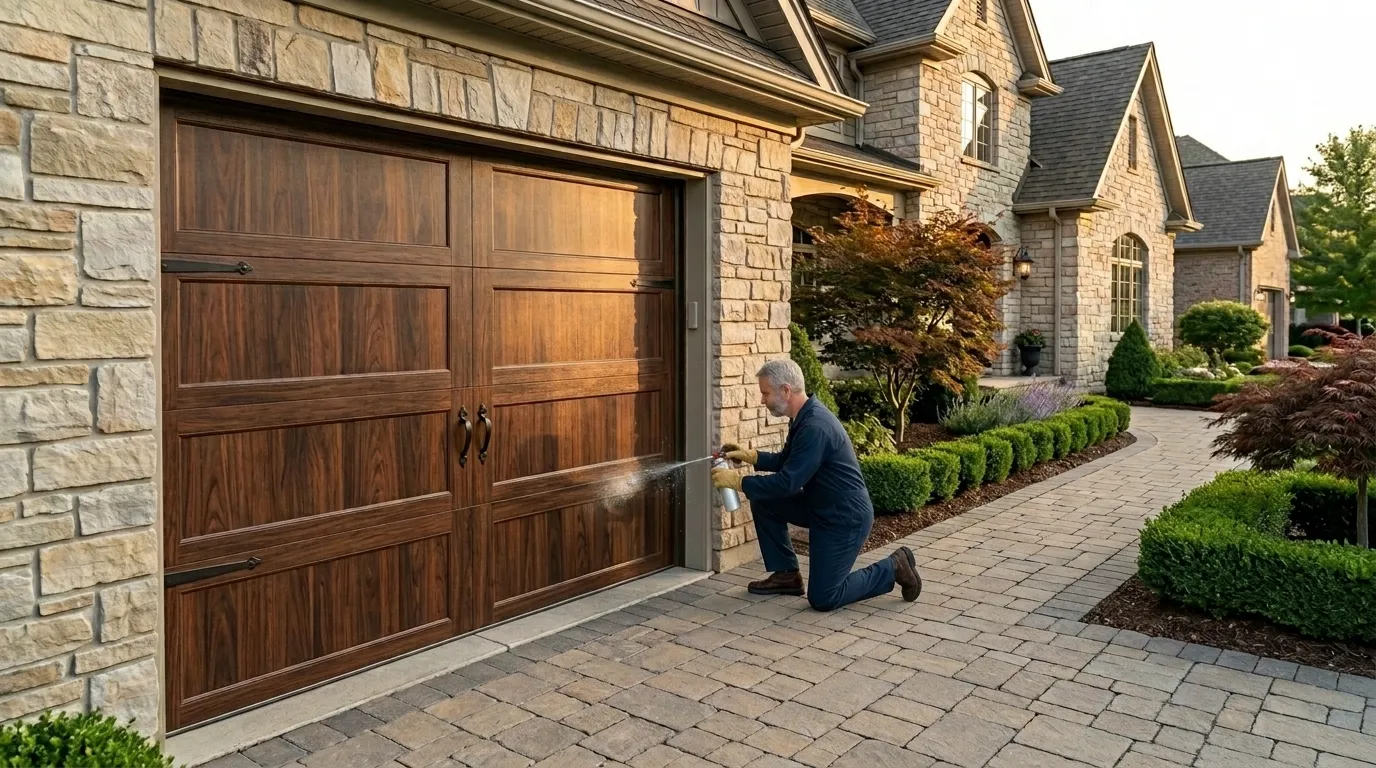
Not every noise or slow spot means a call. If your door is from the later end of that 1944-2002 range - especially anything closer to the 1988 median - and it's still opening and closing on both sides evenly, a little roller noise or stiff cold-morning movement usually isn't urgent. Lubricating hinges and rollers, checking that the bottom seal isn't cracked, and watching for uneven gaps at the corners are things an owner can do without a truck showing up.
A door that's slow only in the coldest stretch of the year and returns to normal once it warms up is often just responding to the climate, not failing. That's consistent with what damp-cold cycling does to weatherstripping and lubrication rather than a sign of a broken part.
If you're in one of the areas further out - Deming, Acme, Everson, Nooksack - and dealing with a similar-era house, the same logic holds: cosmetic wear and seasonal stiffness aren't emergencies. Waiting to bundle a non-urgent adjustment with other work, or just waiting for a scheduled look, costs you nothing except peace of mind, and even that isn't really at risk if the door still moves evenly on both tracks.
When to Call Someone
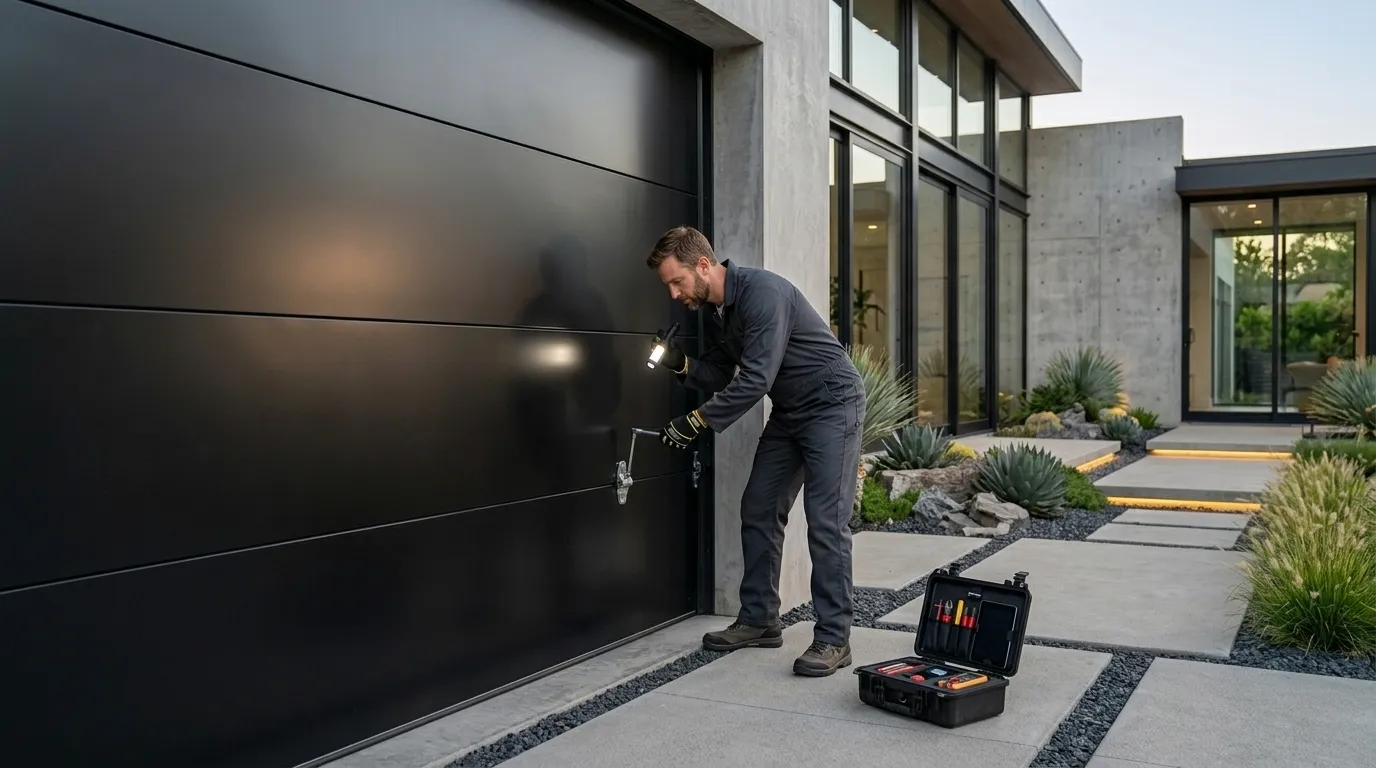
Call when a spring's tension seems off - one side lifting before the other, or the door dropping fast partway through its travel. On houses from Bellingham's main build era, that's usually a torsion spring reaching the end of its rated life, and it's not a DIY fix given the tension involved.
Call if you see rust at the bottom bracket or on cable strands, especially given how the cold-moderate, damp climate here works on unprotected metal over time. That corrosion doesn't reverse itself and it gets worse through another wet winter.
Call if the opener is straining audibly or the door is visibly off-track. On an older house that's had one door swap already, a mismatched replacement can put uneven load on the track in a way that only gets worse with cycling.
One limitation worth saying plainly: we can't tell you over the phone whether your specific door needs a spring, a full replacement, or just an adjustment. Age and symptoms point us in a direction, but the call is made after someone's looked at the actual hardware in your garage.
How We Can Help
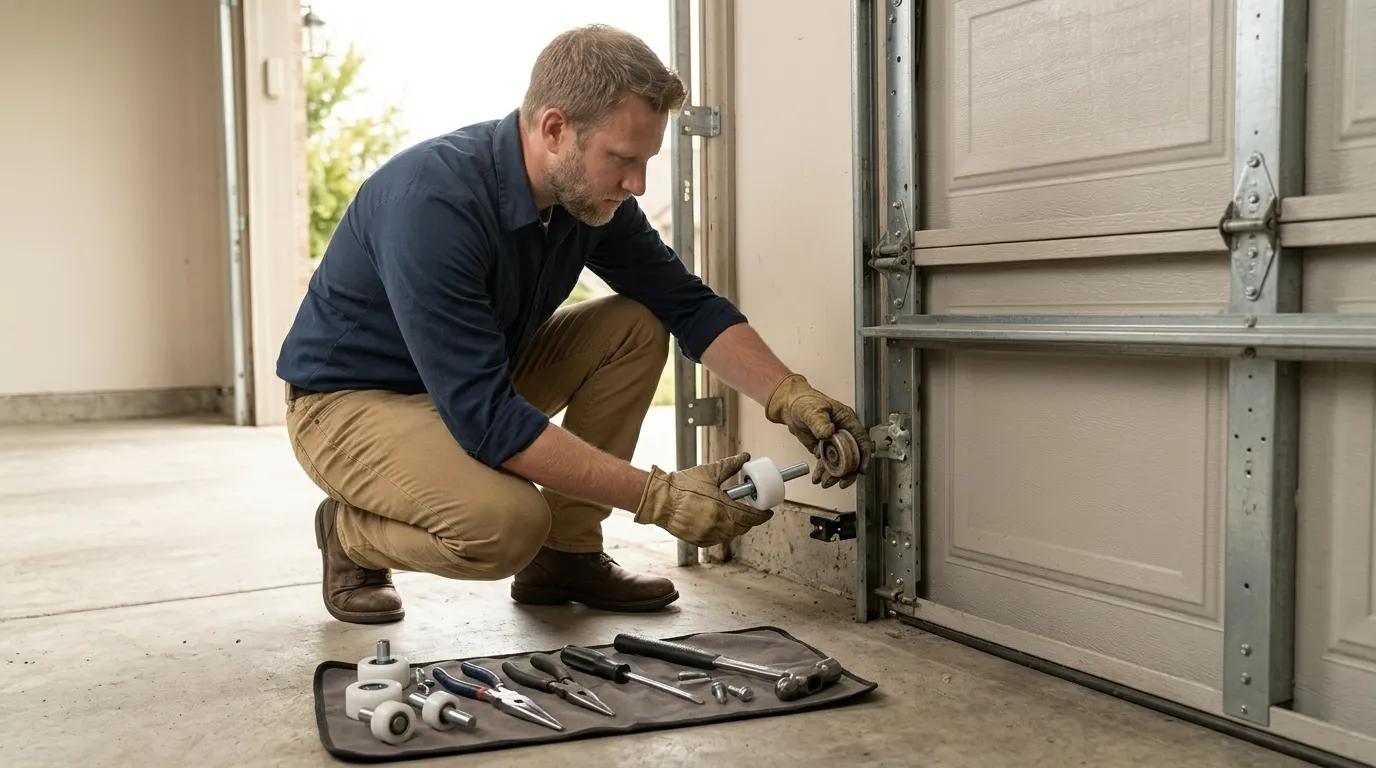
Garage Door Repair
Springs, cables, tracks, rollers, and openers fixed by a tech who explains the problem before touching anything.
Learn more →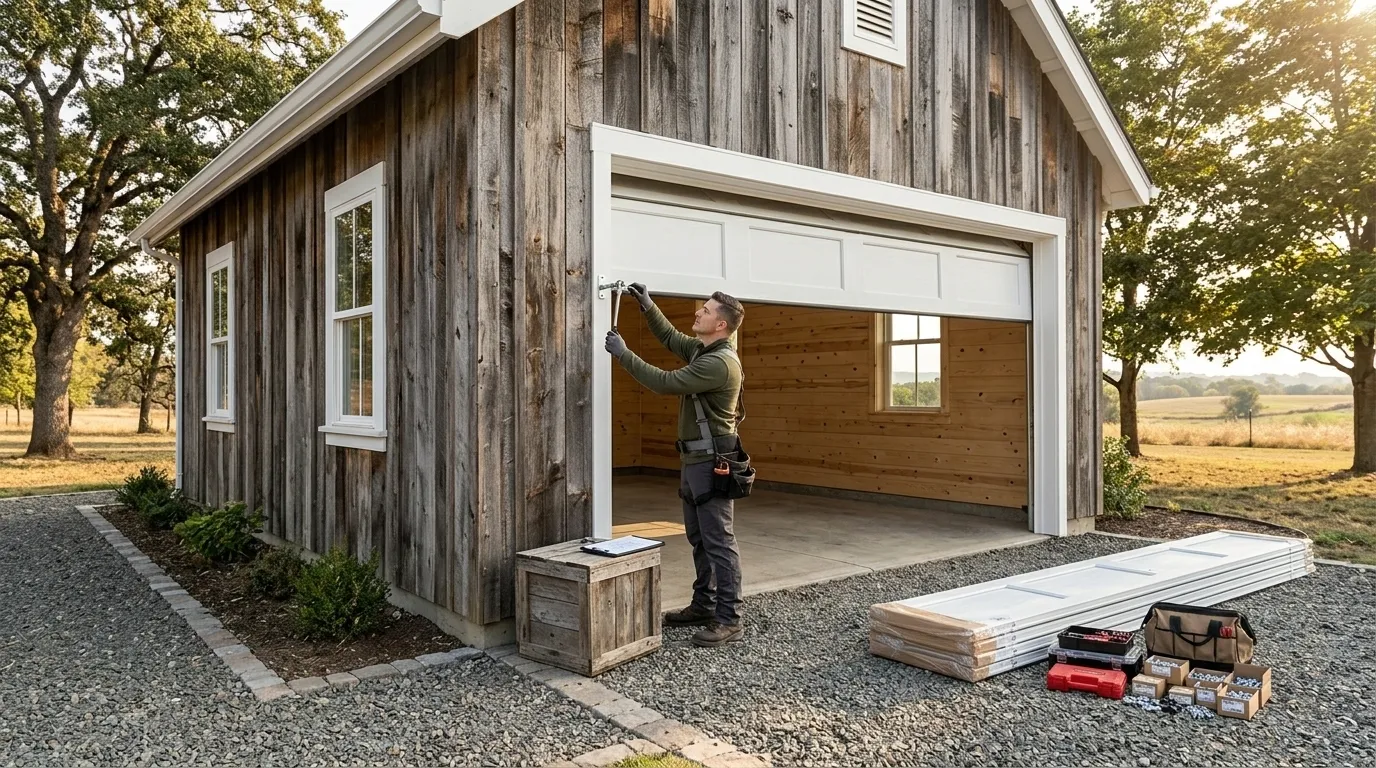
Garage Door Installation
New sectional doors sized and installed for the housing stock actually built in this area.
Learn more →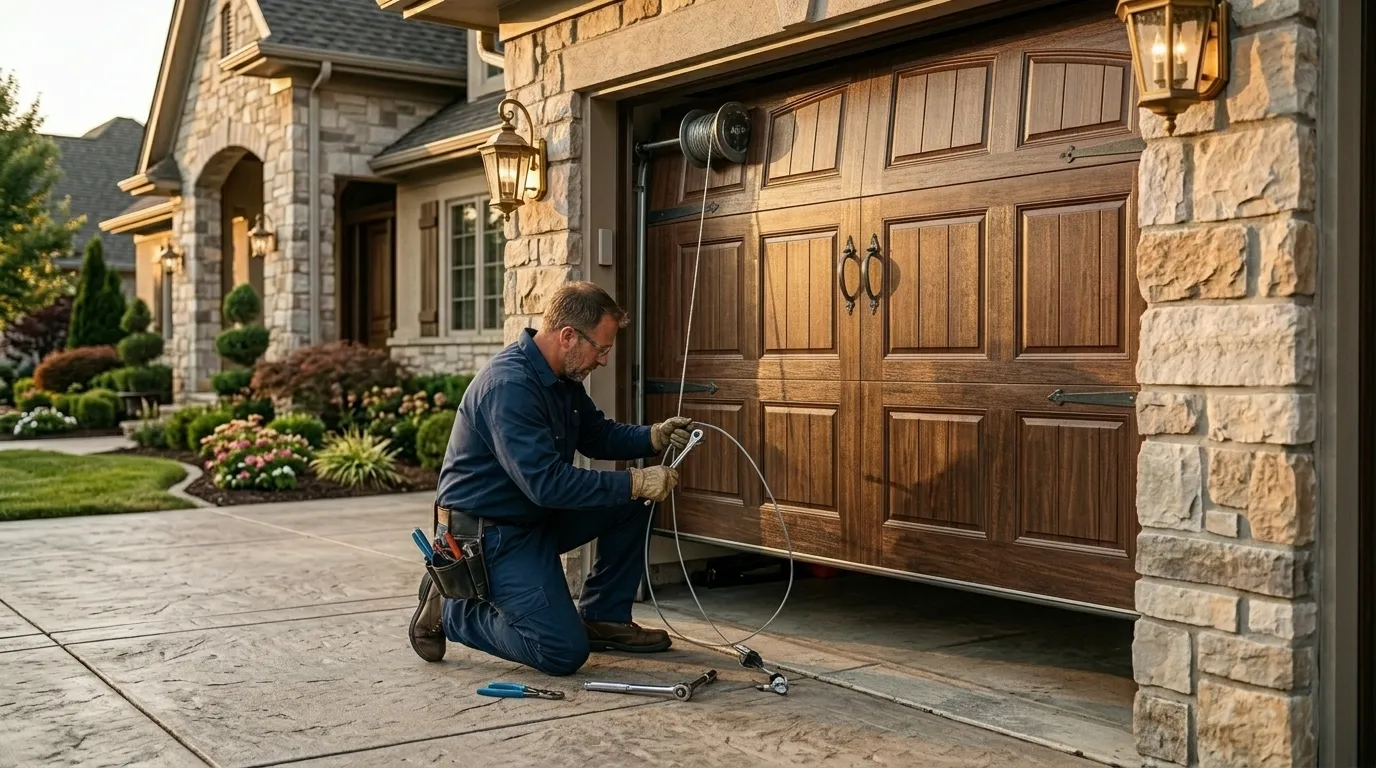
Garage Door Service
Tune-ups, lubrication, and safety checks that catch a small problem before it becomes a service call.
Learn more →Frequently Asked Questions
Why does my garage door seem worse in winter?
Bellingham's climate band is cold and consistently damp rather than extreme, and that steady moisture cycling works on weatherstripping, lubrication, and metal hardware over time. A door that's stiff or slow in winter and normal the rest of the year is usually responding to that cycle rather than a single broken part.
My house was built in the late 80s - is the door original?
It's possible. The median build year across Bellingham's service area is 1988, and a lot of that stock still has original or first-replacement hardware. That doesn't mean it needs replacing, but it does mean the springs and rollers are old enough that wear-related issues are more likely than they'd be on a newer install.
Is a noisy door an emergency?
Not usually. Roller noise or seasonal stiffness on a door that still opens evenly on both sides is common wear, not failure. The signs worth calling about are uneven lifting, a fast drop partway through travel, or visible rust on cables and brackets.
Have a Door That Needs a Second Opinion?
Call and describe what it is doing - we will tell you what it likely is.