
Bellingham Garage Door Guide
Is Your Older Bellingham Garage Door Worth Fixing
Bellingham's housing stock runs 1944-2002, median 1988. Here's how to tell if your door's age and the cold, damp climate mean repair or replacement.
- Licensed & Insured
- Same-Area Service Calls
- Upfront Pricing
What Is Going On
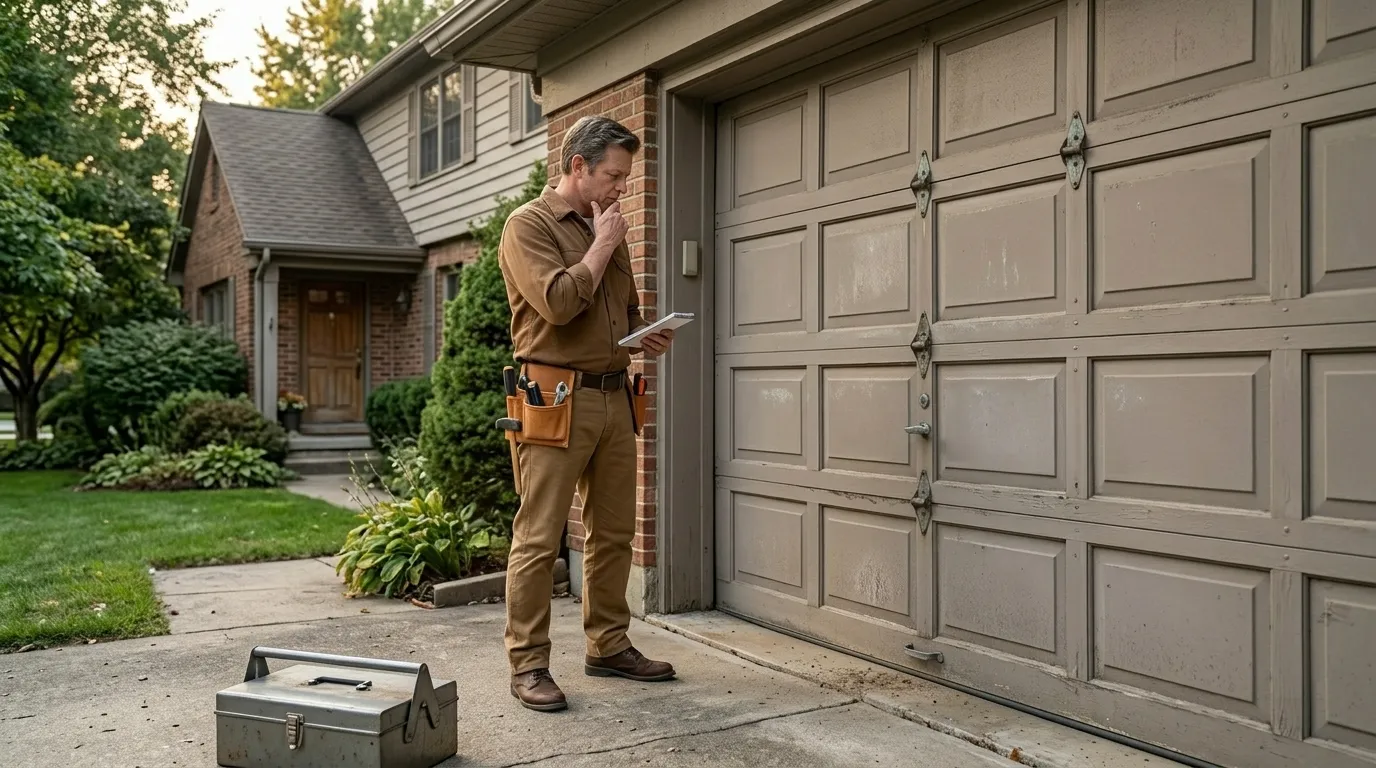
Housing across the Bellingham service area was mostly built between 1944 and 2002, with the median landing around 1988. That means a lot of doors and openers out there are pushing 30 to 40 years old, installed back when builders across neighborhoods like Birchwood, Cordata, and Samish Hill were putting up the 1980s-90s stock that still makes up most of what's here. A door that age wasn't garbage when it went in - it just wasn't built for the loads and hardware standards we use now.
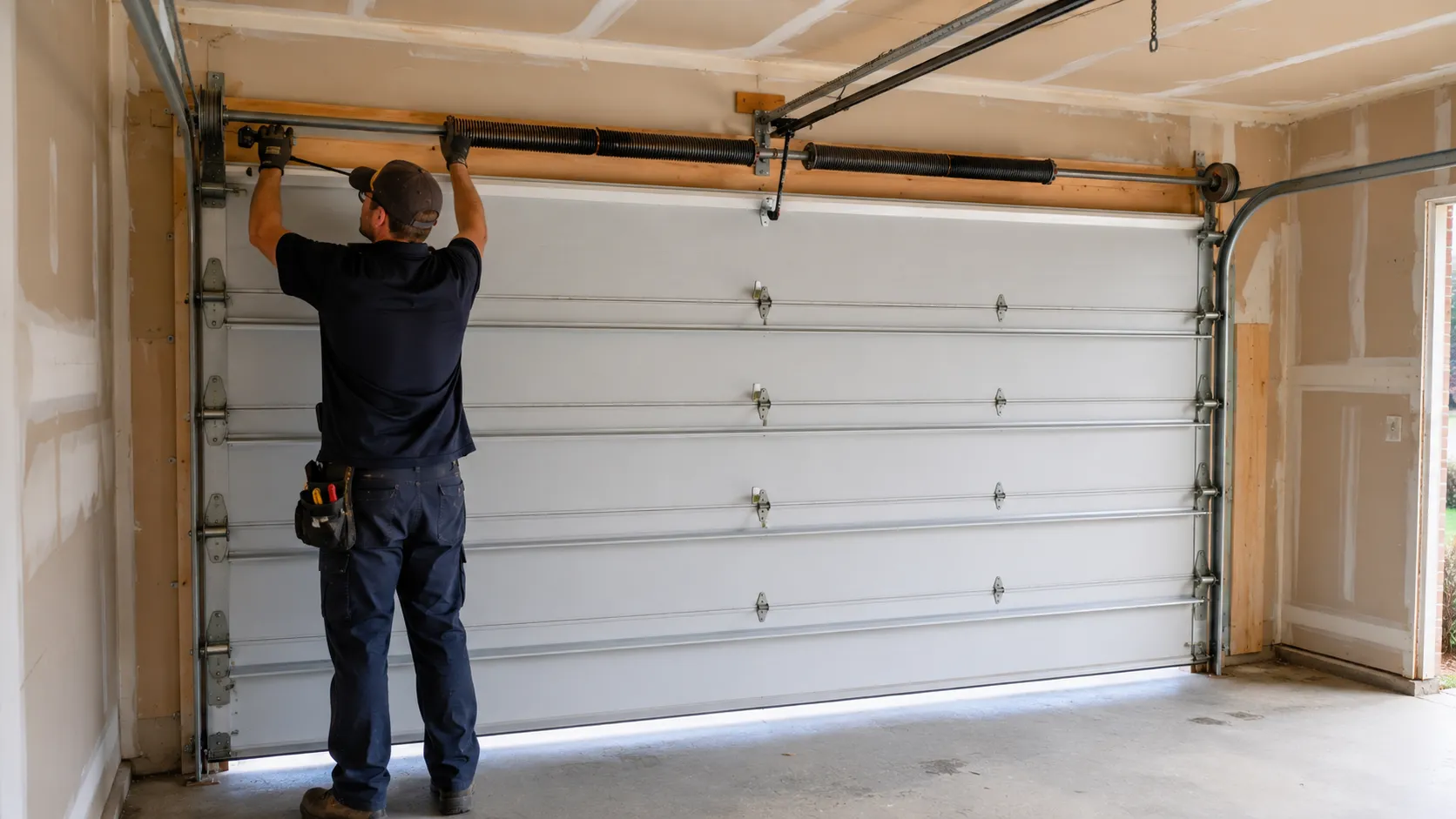
What usually fails first isn't the panel, it's the stuff that moves: the torsion spring, the rollers, the cable. On a door that old, springs are often undersized for today's insulated replacement panels, and the track hardware was never meant to be adjusted forever. Before you decide anything, figure out whether the problem is the door itself or one worn part.
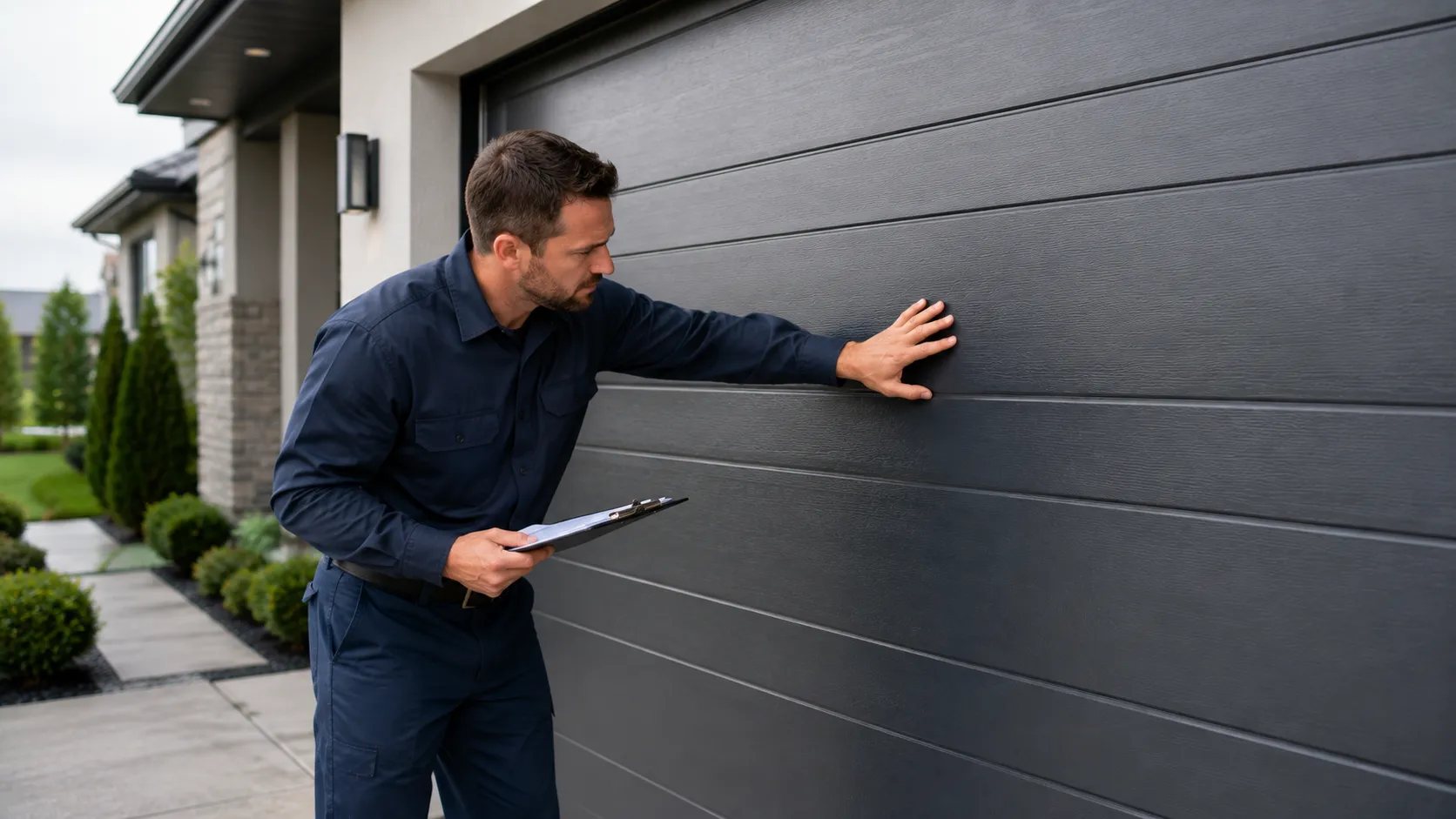
A door with solid steel or wood panels and no rot, dents, or delamination is usually worth fixing even at 35 years old. A door that's warped, rusted through at the bottom panel, or missing enough weight that the spring can't lift it evenly is a different conversation.
What the Weather Here Does to It
Bellingham sits in a cold, moderate climate band, not the deep-freeze extremes some inland areas get, but enough damp cold to matter over decades. Steel doors from the 1980s and 90s stock common here don't usually have the vapor barrier or insulation core that newer doors do, so moisture works into the bottom seal and the lower panel section over the years. That's the part you'll see fail first - bubbling paint, soft wood trim, or a bottom panel that's rusted from the inside out.
Torsion springs and cables also age differently in a climate that swings between wet winters and dry summers: the metal fatigues from repeated expansion and contraction, not from one dramatic event. If your door was installed anywhere near the 1988 median build year for this area, the hardware has been through three or four decades of that cycle. None of this means every older door needs replacing.
It means the parts most exposed to moisture and repeated flex - rollers, bottom seal, spring coils - are the ones to check first, and the ones most likely to be the actual point of failure rather than the door itself.
When Waiting Is Fine
If your door is from that 1944-2002 build era, still tracks straight, and the only issue is noise, a stiff opener, or a spring that's starting to sag but hasn't broken, you can usually wait and schedule the work rather than treat it as urgent. A door that opens and closes on its own weight without binding, even if it's loud or slow, isn't in danger of coming down on someone. Cosmetic wear - faded paint, small surface rust on hardware, a dented bottom panel that still seals - is not a reason to replace a door that's otherwise structurally sound.
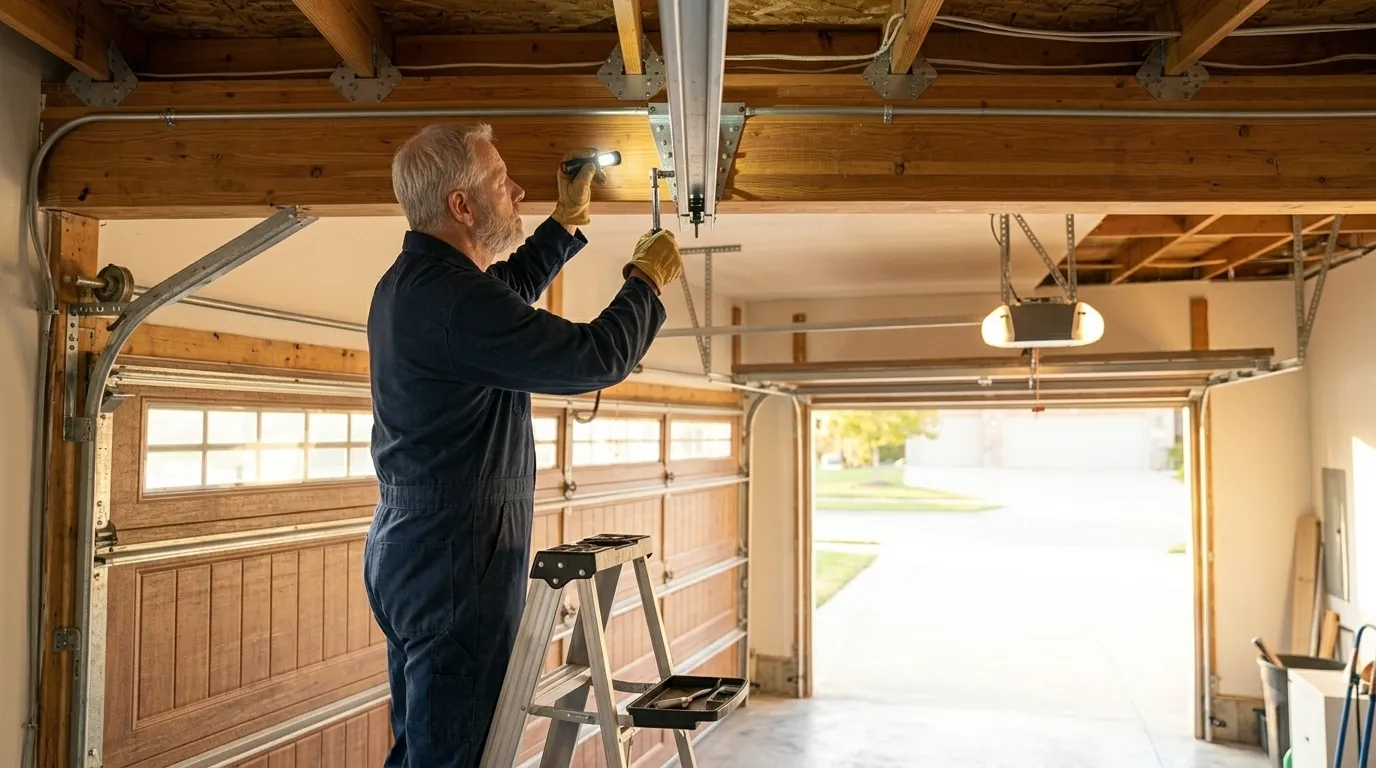
One honest limitation: we can't always tell you over the phone whether a 30-year-old door's track alignment is fine or failing; that takes an in-person look, because a door that seems fine on a bounce test can still be a week from cable failure. If the door is original to a house built anywhere in that 1980s-90s wave and it's still square, balanced, and quiet enough to live with, there's no reason to rush a full replacement.
When to Call Someone
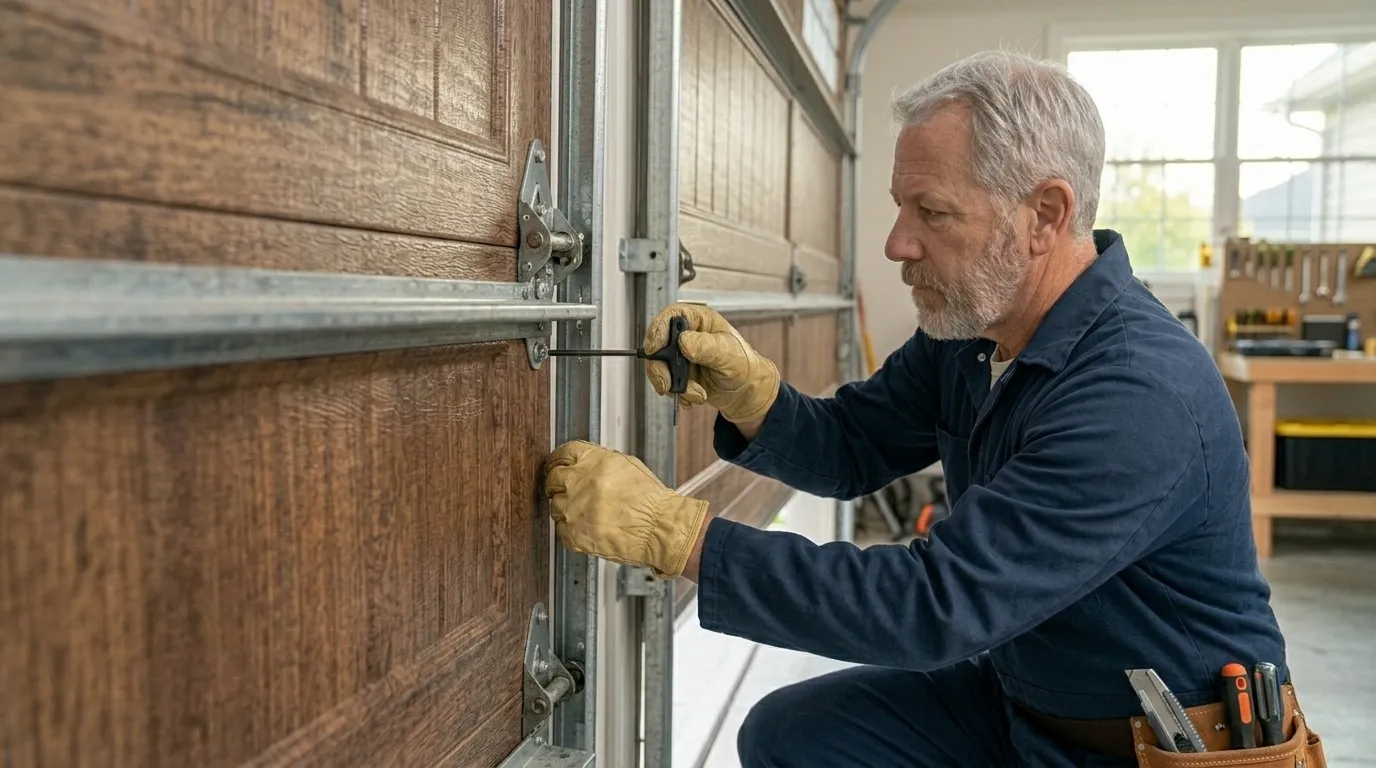
Call now if the door is off track, if a cable has frayed or snapped, or if the door drops suddenly instead of lowering smoothly - on an older torsion system, that's usually a spring that's about to go, and a spring under tension is not a DIY repair. Call soon, not urgently, if you're noticing the door sag unevenly on one side, since that's often a sign the torsion spring is losing tension unevenly rather than failing outright.
Given that median household income across the service area sits around $86,140 and most households here are owner-occupied houses rather than rentals, a lot of the calls we get are homeowners trying to decide between a spring and cable repair versus a full door swap - and for a door built during that 1944-2002 stretch, repair is usually the right call unless the panels themselves are damaged. If the door is original to a house near the older end of that range and the steel has gone soft with rust at the bottom corners, that's when replacement starts making more sense than another repair.
How We Can Help
Garage Door Repair
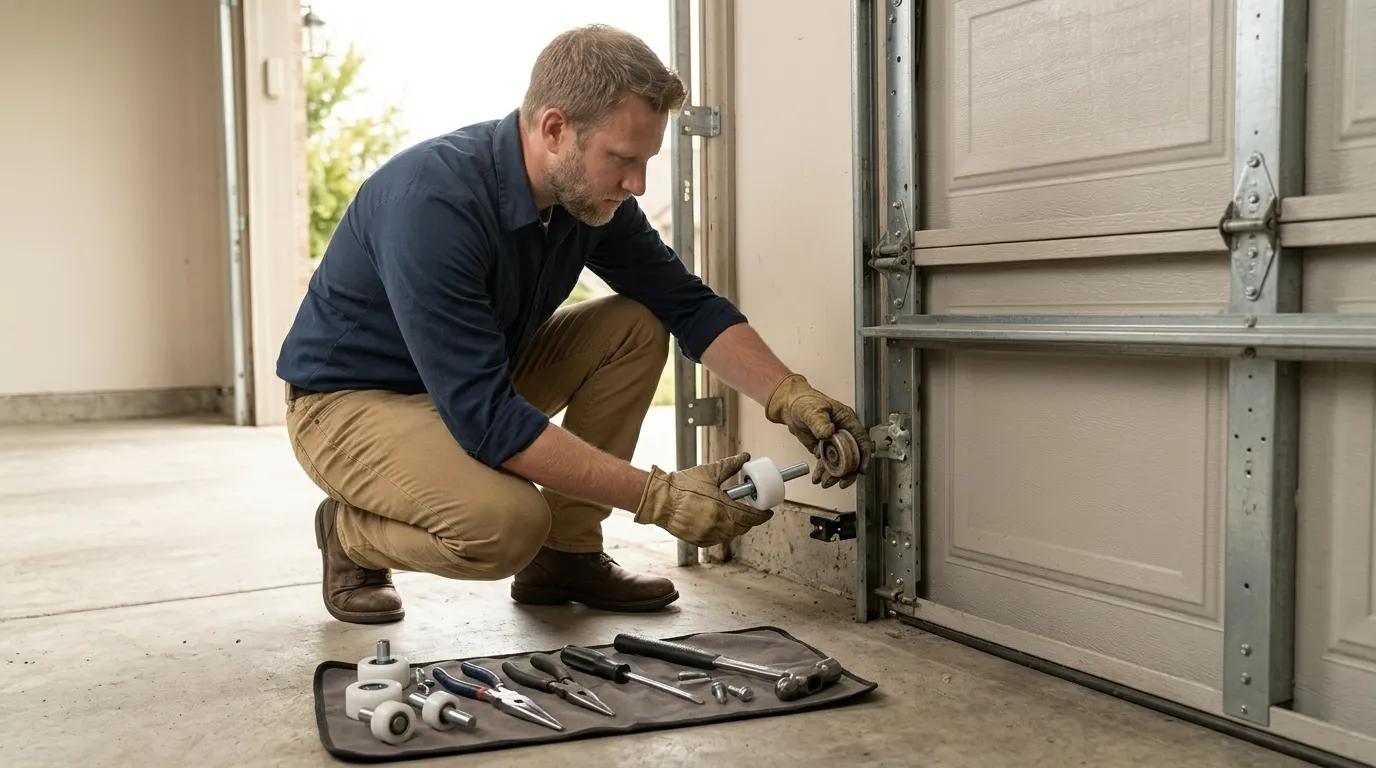
Springs, cables, tracks, rollers, and openers fixed by a tech who explains the problem before touching anything.
Learn more →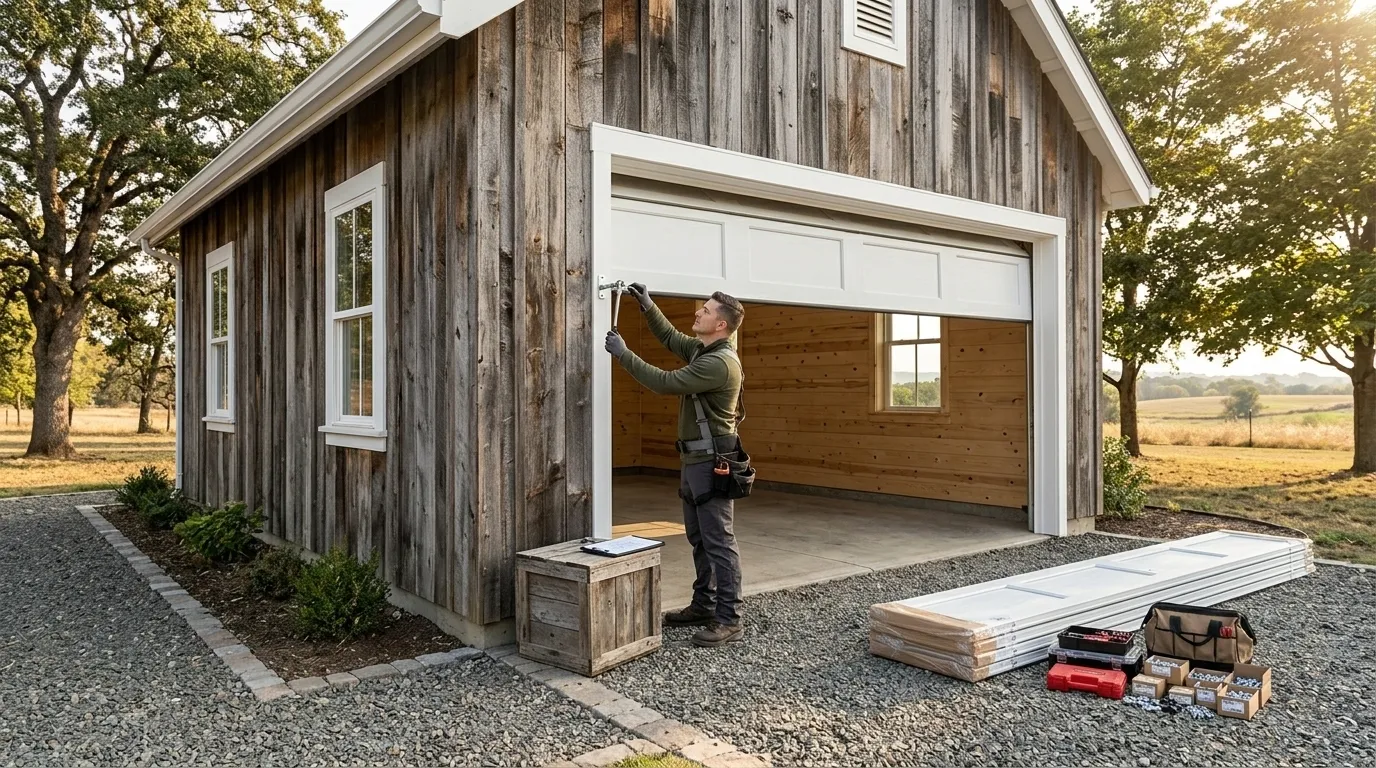
Garage Door Installation
New sectional doors sized and installed for the housing stock actually built in this area.
Learn more →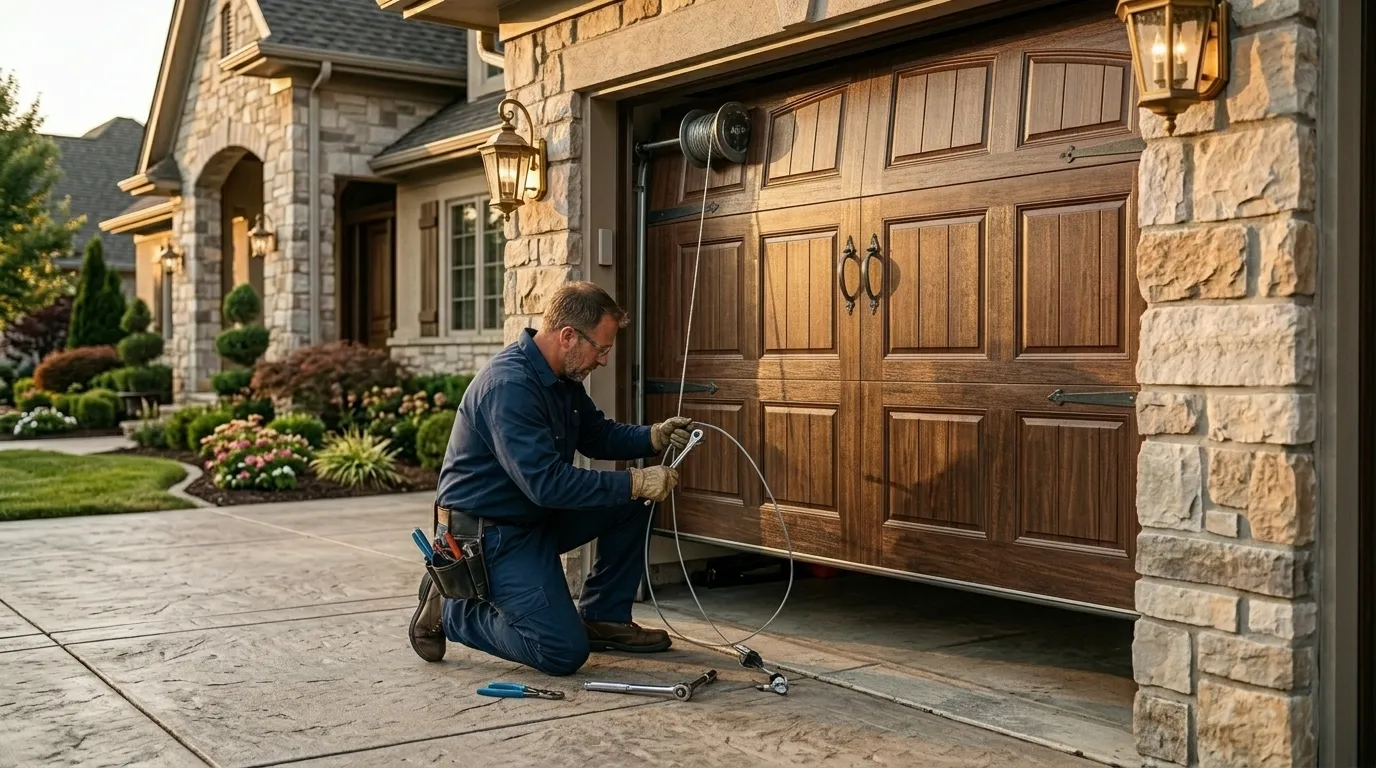
Garage Door Service
Tune-ups, lubrication, and safety checks that catch a small problem before it becomes a service call.
Learn more →Frequently Asked Questions
My garage door is from the 1980s, is it too old to fix?
Not on its own. Housing here runs 1944 to 2002 with a median around 1988, so a lot of doors in this age range are still structurally fine. Age alone isn't the deciding factor - what matters is whether the panels are rotted or rusted through and whether the spring and cable system can be serviced or needs full replacement.
Why does my older door feel heavier in winter?
In a cold, moderate climate like Bellingham's, torsion springs lose a bit of tension in cold, damp weather, and older springs that have already fatigued over decades feel it more. If the door feels noticeably harder to lift by hand in winter than summer, the spring is likely near the end of its life.
Is it worth replacing an old door instead of repairing it?
If the panels are sound and it's just a worn spring, cable, or roller, repair almost always costs less and solves the problem. Replacement makes more sense when the bottom panel has rusted through or the door is warped enough that no amount of hardware adjustment will keep it tracking straight.
Have a Door That Needs a Second Opinion?
Call and describe what it is doing - we will tell you what it likely is.