
Bellingham Garage Door Guide
What Bellingham's Older Openers Do When the Power Drops
Most Bellingham openers date from the 1980s and 90s, before battery backup was standard. Here's what the cold and a dead grid actually do to yours.
- Licensed & Insured
- Same-Area Service Calls
- Upfront Pricing
What Is Going On
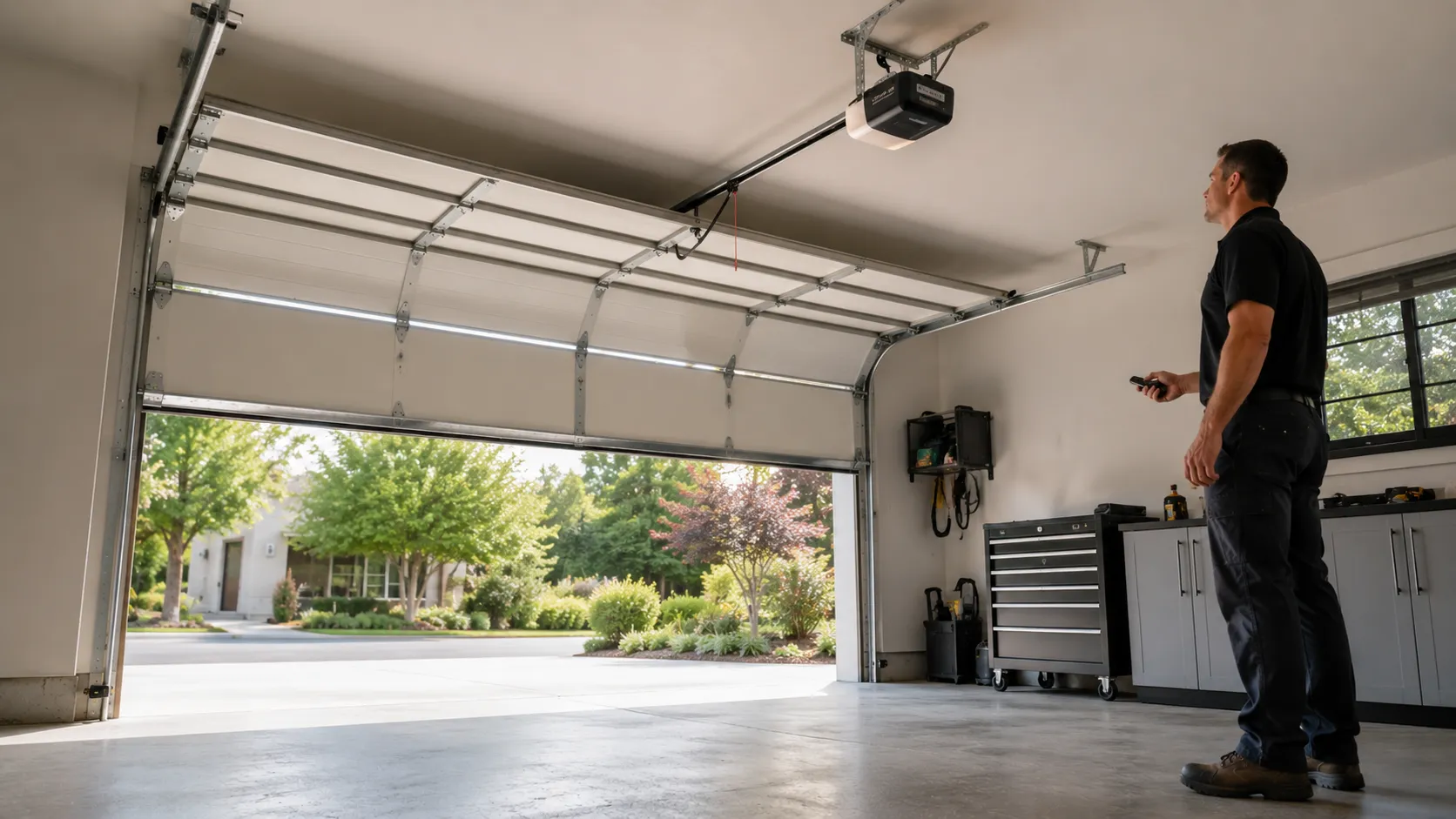
Housing across this service area was built mostly between 1944 and 2002, with the median landing right around 1988. That's the era of chain-drive openers with a single lightbulb, a wall button, and no battery backup at all - that feature didn't get common until well after most of these garages were finished. If your house sits in one of the older pockets, whatever opener is up there might be original, or it's a replacement from a decade or two back that still wasn't built with a backup battery in mind.
With 21,317 owner-occupied houses spread across this area, that's a lot of openers quietly aging past their expected service life. The symptom people notice first usually isn't the motor - it's the door not moving at all when the power's out, because there's nothing storing charge to run it. A manual release cord lets you pull the trolley free and lift the door by hand, but a lot of homeowners have never located theirs, let alone tested it.
None of this means the opener is broken. It means it was built for a different set of expectations than what a modern smart opener assumes, and that gap shows up exactly when you need the door most - during a power cut, not on a sunny Tuesday.
What the Weather Here Does to It
Bellingham sits in a cold, moderate climate band. That doesn't mean brutal winters, but it does mean sustained cold stretches that thicken the grease on chain and screw-drive rails and make the metal contract just enough to change how a poorly-adjusted door travels. An opener that runs fine in August can start straining, grinding, or reversing partway through its travel once temperatures drop for a few weeks straight.
That strain matters more on older units. A motor from the 1988-median build era is already working with worn gears and a capacitor that's lost some of its punch.
Add colder grease and a heavier door - wood panels swell slightly with damp cold too - and you're asking a tired motor to do more work than it was built for. This is also when travel limits drift and safety sensors get finicky, since cold affects the photo-eye alignment brackets more than people expect.
We're not going to claim a specific storm or outage event, because that's not something we have numbers on for this area. What we can say is that cold-driven strain on an aging opener is a real, physical thing, not a maintenance myth, and it's worse the older the unit is.
When Waiting Is Fine
Not every symptom means an emergency call. If your opener strains a little on the coldest mornings but runs normally once the garage warms up, that's the grease-thickening issue described above, and a homeowner can often manage it themselves with the right lubricant made for cold weather rather than household oil, which actually makes drag worse.
A door that's slightly noisier in January than it was in July is not, by itself, a sign of failure. Given that a lot of the opener stock in this area dates to the 1980s and 90s, some seasonal creakiness is just what a thirty-plus-year-old unit sounds like in the cold. If the door still opens fully, closes fully, and reverses correctly when it hits an obstruction, you're fine to wait and watch rather than book a service call.
Same goes for a battery backup that beeps occasionally after a brief outage - that's often just the unit testing itself, not a failure. Save the call for symptoms that repeat or get worse, not for a single odd noise on a cold morning.
When to Call Someone
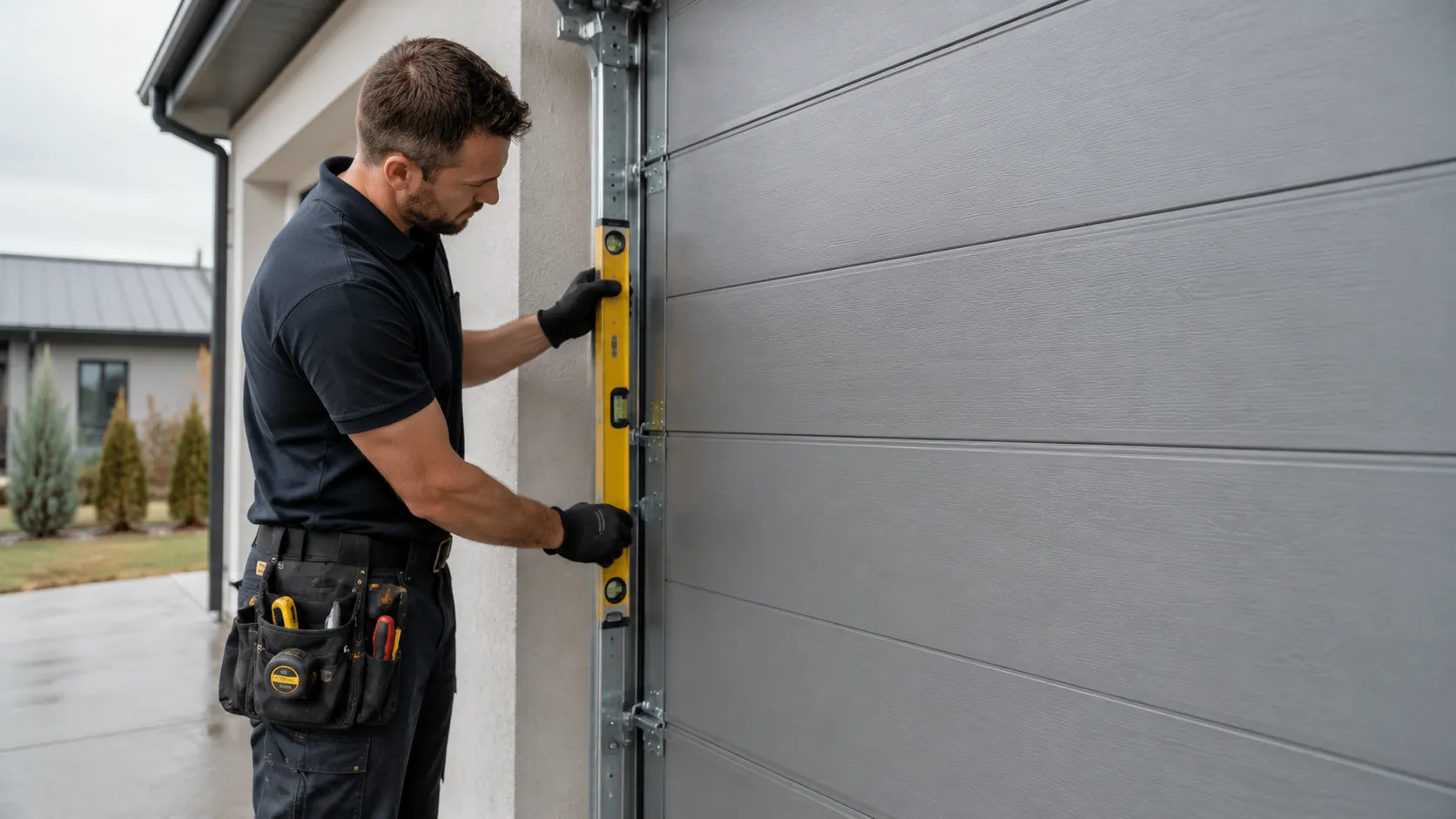
Call when the door won't move at all during a power cut and you can't find or work the manual release - that's not a wait-and-see situation, that's a safety issue if you need the car out. Same if the opener runs but the door reverses randomly, or stalls partway on cold mornings even after the door warms up during the day; that usually means a gear set or capacitor that's failed, not just stiff grease.
Across the 37,367 households in this area - from the Lettered Streets a mile out to Sudden Valley six miles off - opener age varies enough that there's no single right answer for repair versus replacement. A unit from the median 1988 build year with no battery backup option, worn gears, and parts that are getting hard to source is usually a replacement conversation, not a repair one. A newer unit with an isolated issue is usually worth fixing.
Median household income here runs $86,140, which puts a full opener replacement within reach for most homeowners rather than a stretch, so we'd rather tell you honestly when a repair won't hold than patch something that's going to fail again next winter.
How We Can Help
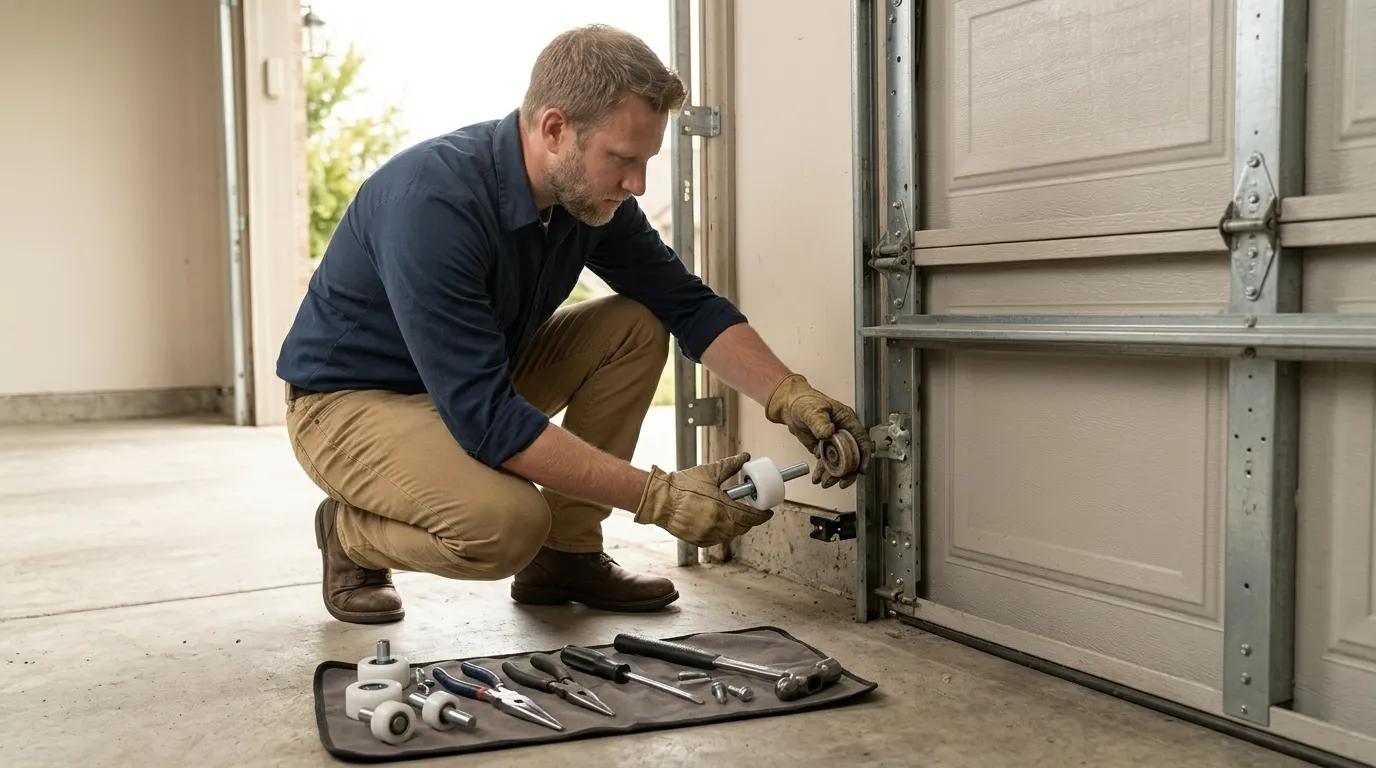
Garage Door Repair
Springs, cables, tracks, rollers, and openers fixed by a tech who explains the problem before touching anything.
Learn more →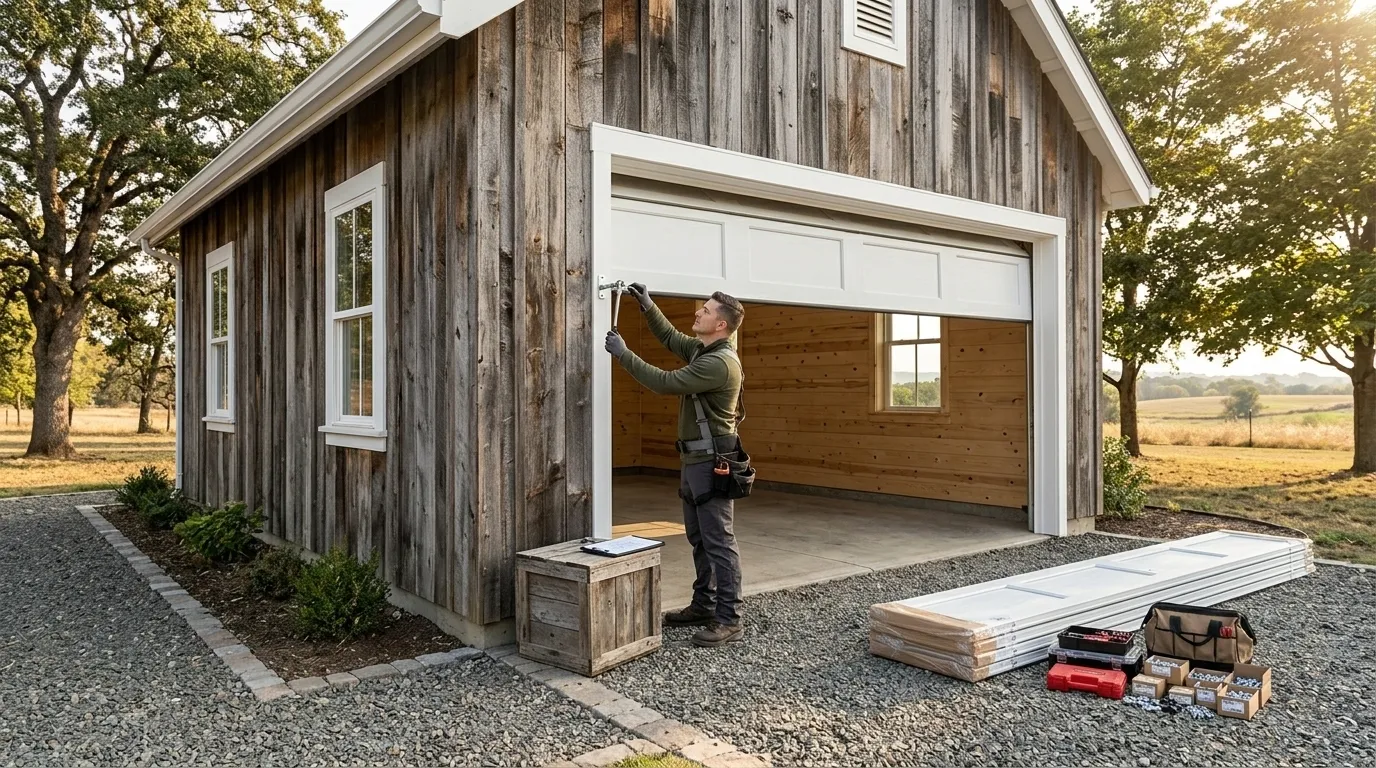
Garage Door Installation
New sectional doors sized and installed for the housing stock actually built in this area.
Learn more →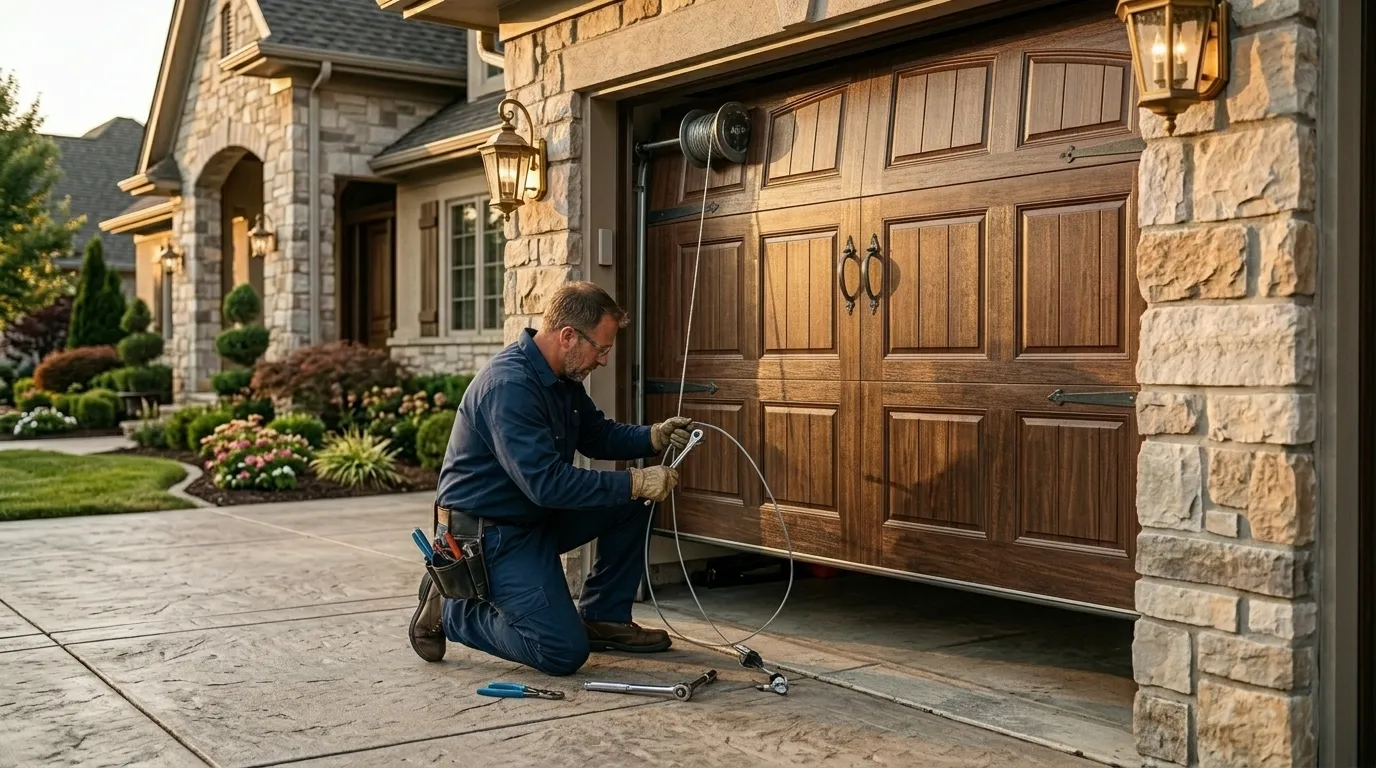
Garage Door Service
Tune-ups, lubrication, and safety checks that catch a small problem before it becomes a service call.
Learn more →Frequently Asked Questions
Why does my garage door opener struggle more in the winter?
Cold thickens the grease on the drive rail and can shift how the door's travel limits behave, especially on older units. Bellingham's cold, moderate climate band means this shows up for weeks at a time, not just on one freak morning. If it's only bad on the coldest days and fine otherwise, that's usually lubrication, not a failing motor.
Does my opener have battery backup?
If your house or opener dates from the 1980s or 90s, which covers a lot of this area's housing stock, probably not - that feature wasn't standard yet. Check for a small battery compartment on the opener housing. If it's not there, a power cut means manual release only, so it's worth finding that release cord now, not during an outage.
Is it worth replacing an opener from the 1980s or 90s?
Often yes, especially once you're dealing with worn gears, no backup battery option, and parts getting scarce for that model. Given the median household income here, a full replacement is usually a reasonable one-time cost rather than repeated service calls on a thirty-plus-year-old motor.
Have a Door That Needs a Second Opinion?
Call and describe what it is doing - we will tell you what it likely is.