Plain Answers
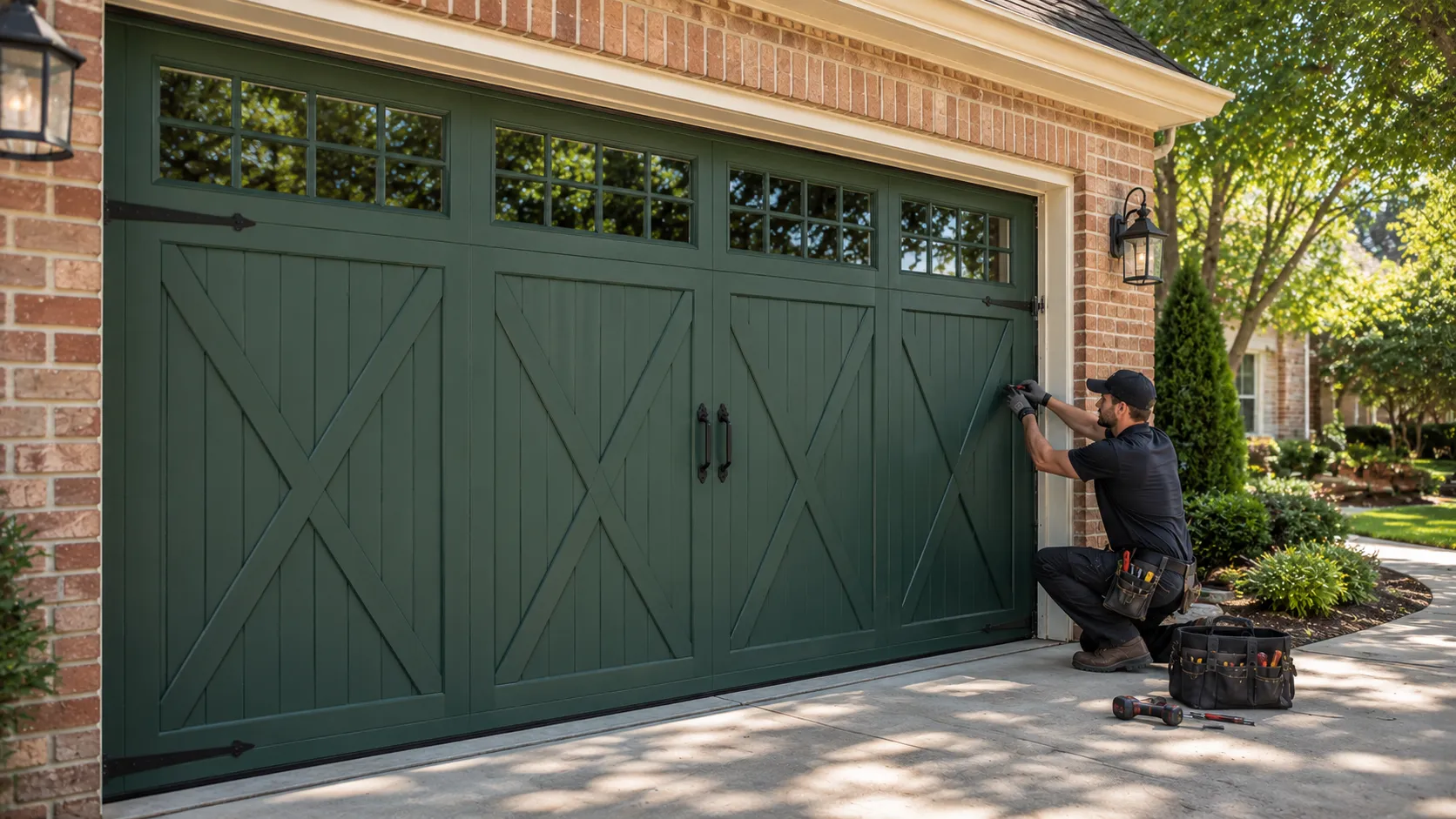
We work on garage doors and openers across the Bellingham service area, from the Lettered Streets and Whatcom Falls Neighborhood out to Geneva, Marietta-Alderwood, and Sudden Valley. Most of the housing stock we see was built between 1944 and 2002, with a median build year around 1988, and a lot of it clusters in that 1980s-90s window across the 17 named areas we cover. That matters because a door from 1988 has different hardware, different spring sizing, and different failure points than something put up last year, and we've priced our stock to match what's actually on these streets rather than a generic newer catalog.
We don't do new construction framing or structural garage additions, and if your opening needs to be reframed or widened, that's outside what we take on. What we do handle is the repair and replacement work that comes with a door aging through Bellingham's cold, moderate climate: springs that fatigue from the temperature swings, rollers and tracks that seize up in damp cold snaps, and openers that finally give out after fifteen or twenty years of use. We'll tell you straight if a repair isn't worth it against a full door swap, especially on older torsion setups where parts are getting harder to source.
Who Turns Up
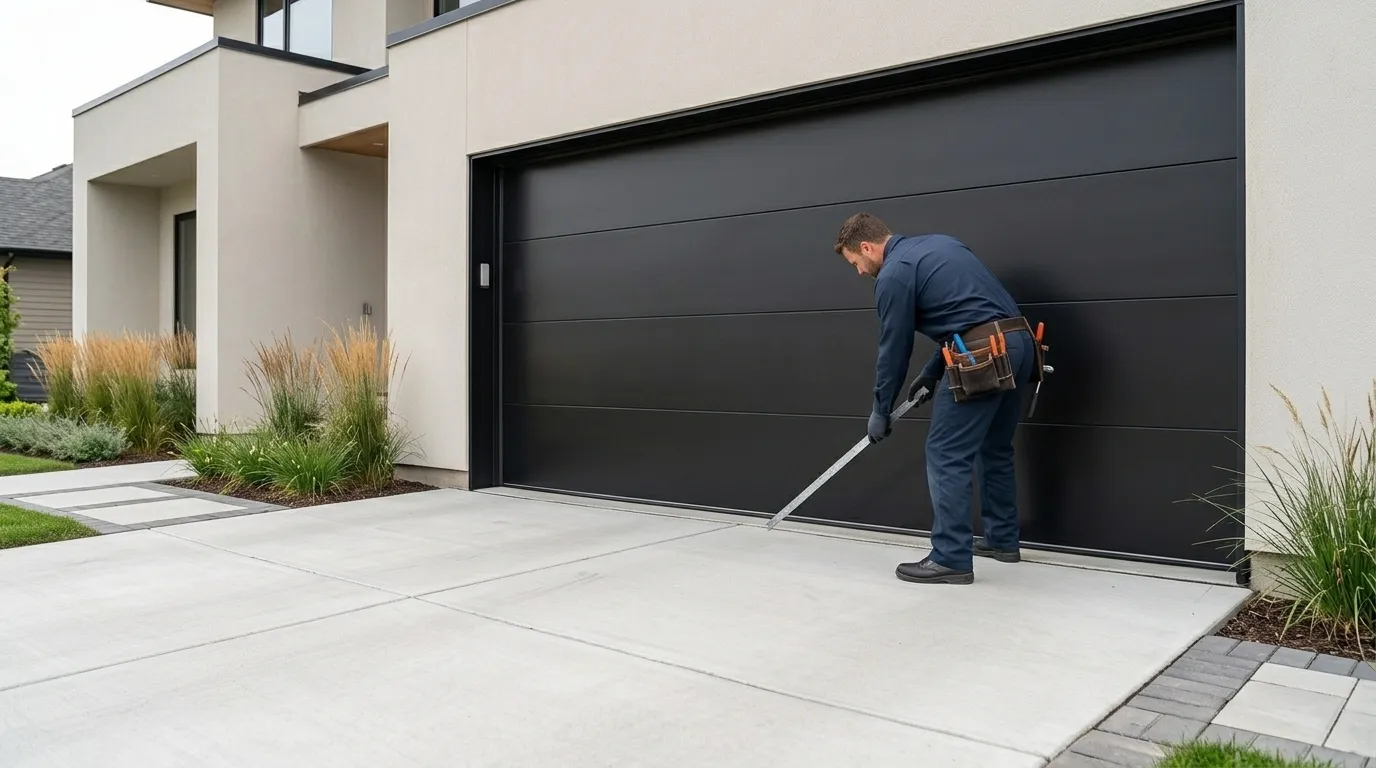
A tech shows up with the parts likely to fit a Bellingham-area door of the age we typically see - sized for the 1944-2002 build range that dominates the neighborhoods we work in, not a one-size kit built for newer subdivisions elsewhere. That's a practical decision based on what F1 and F2 tell us about the housing here: most of it isn't new, and most of it isn't pre-war either. It sits in that long middle stretch, heavy on 1980s and 90s builds, and the hardware reflects that.
We also work with the numbers behind who lives here. With a median household income around $86,140 across roughly 37,367 households and 21,317 owner-occupied houses in the service area, most of our calls are homeowners deciding between a repair and a replacement on a door they plan to keep for years, not renters filing a quick maintenance ticket.
That shapes the conversation - we'll walk through both options and the real cost difference, not just quote the fix that's in front of us. We're not going to oversell a full replacement when a spring swap or a track adjustment solves it.
After You Call
Call the number, tell us what the door is doing - won't open, opens crooked, makes a grinding noise, whatever it is - and we'll ask enough questions to bring the right parts the first time. Given how spread out the service area is, running from close-in spots like Birchwood and Samish Hill out to farther towns like Lynden, Sumas, and Anacortes, we plan the route and the parts before the truck leaves, not after.
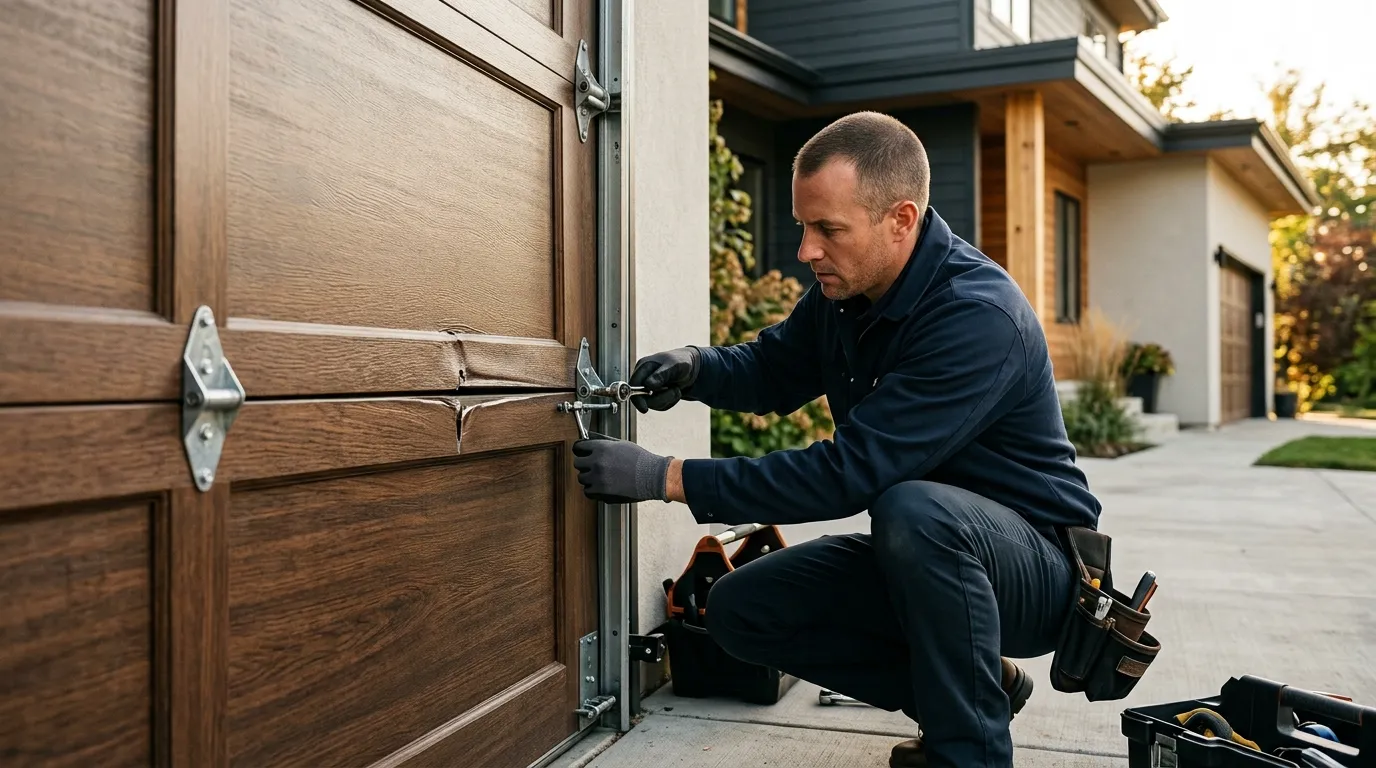
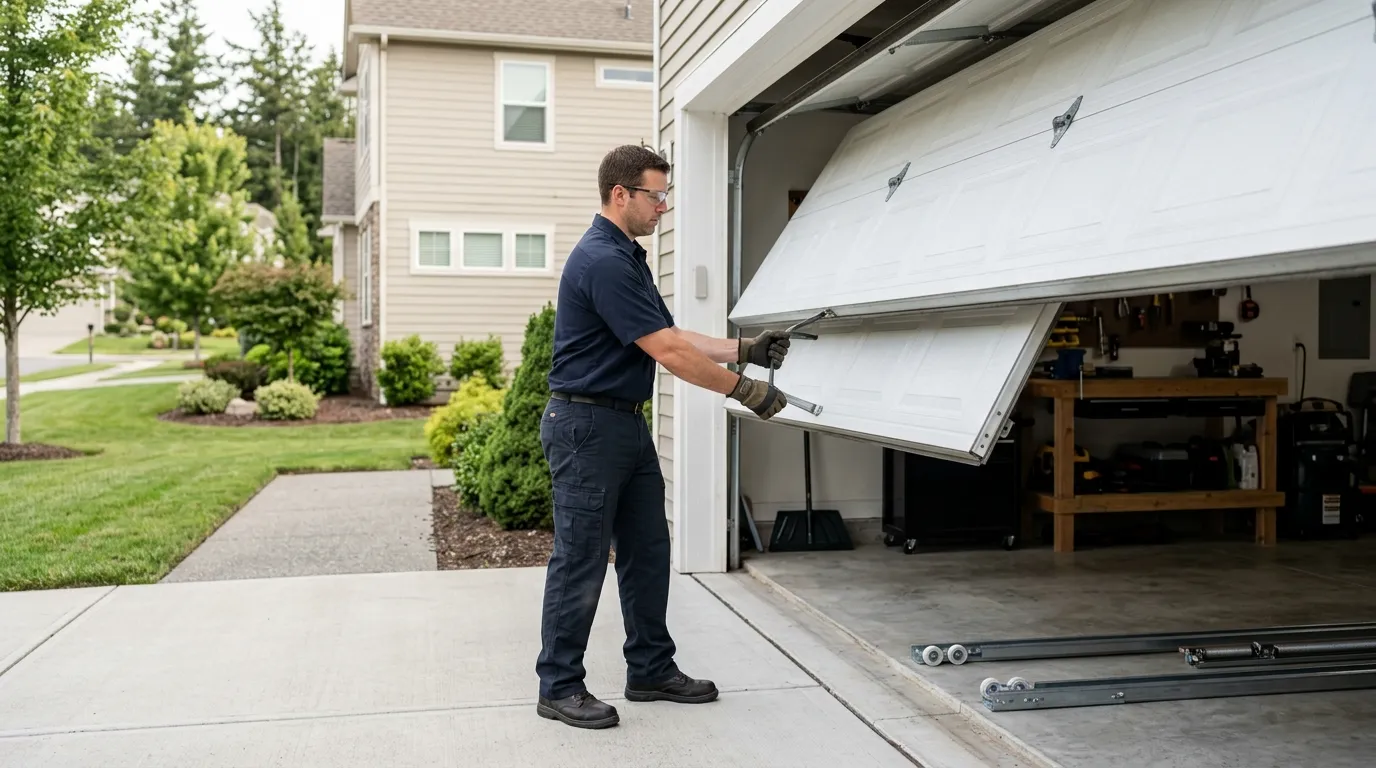
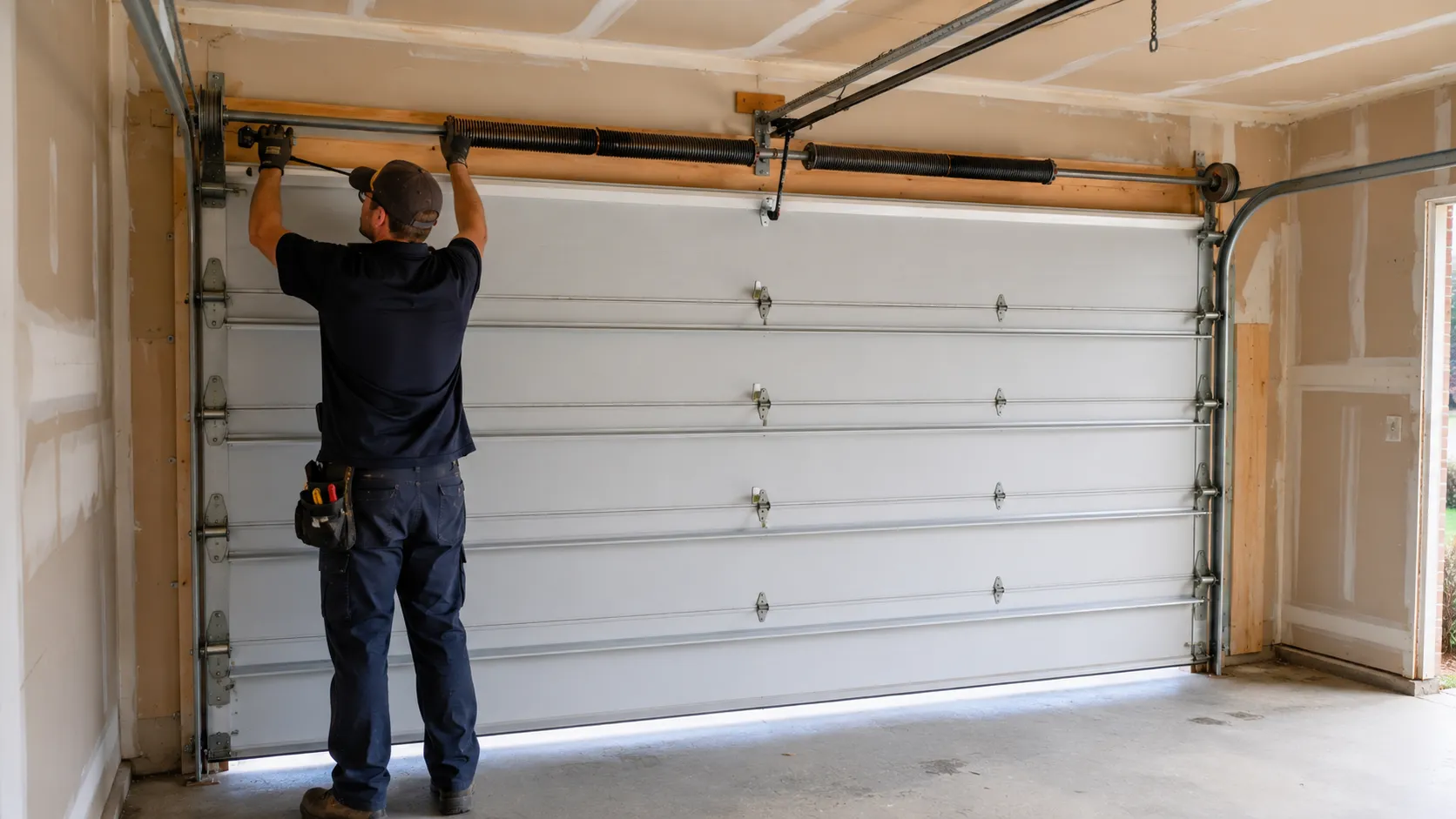
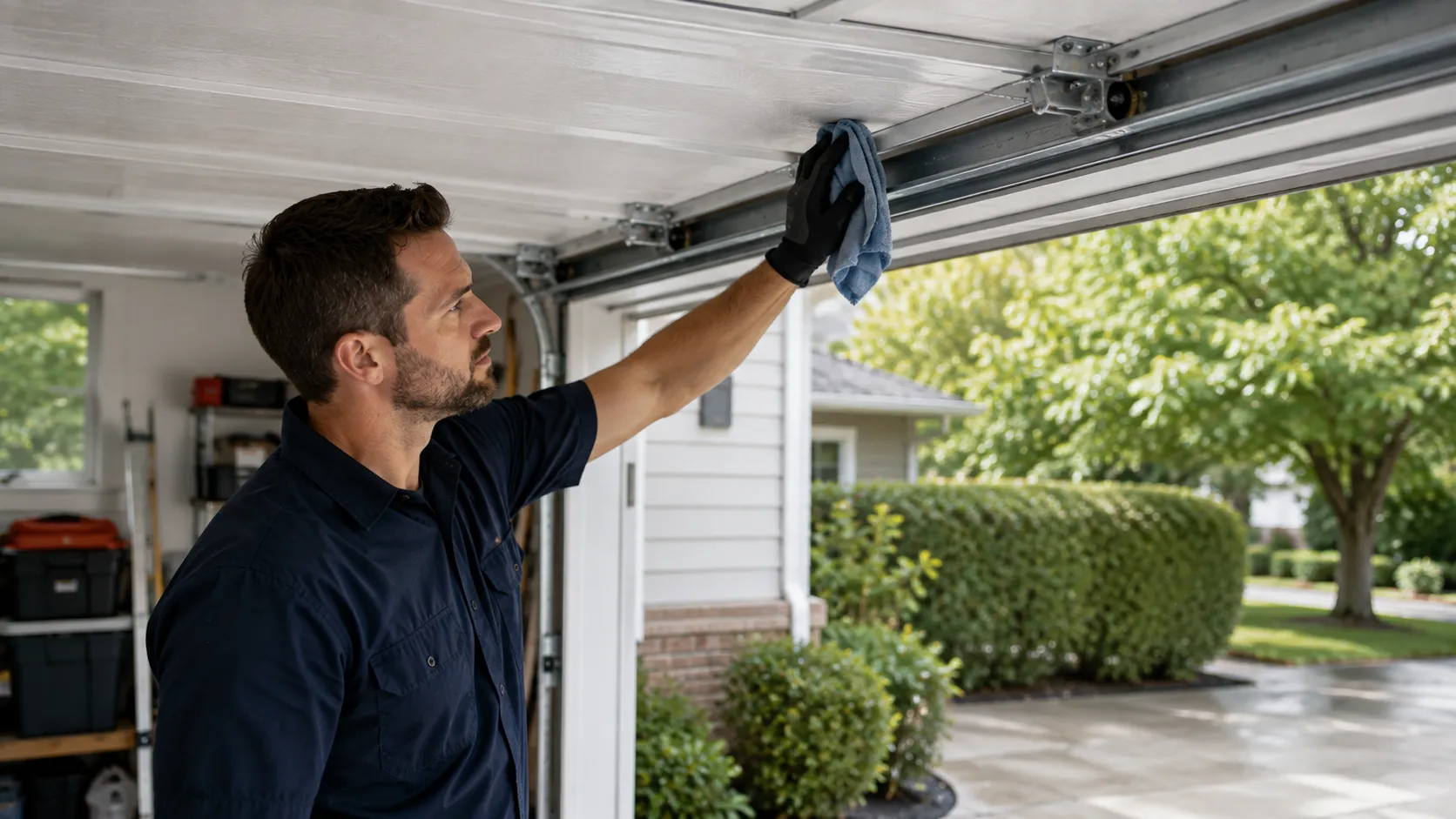
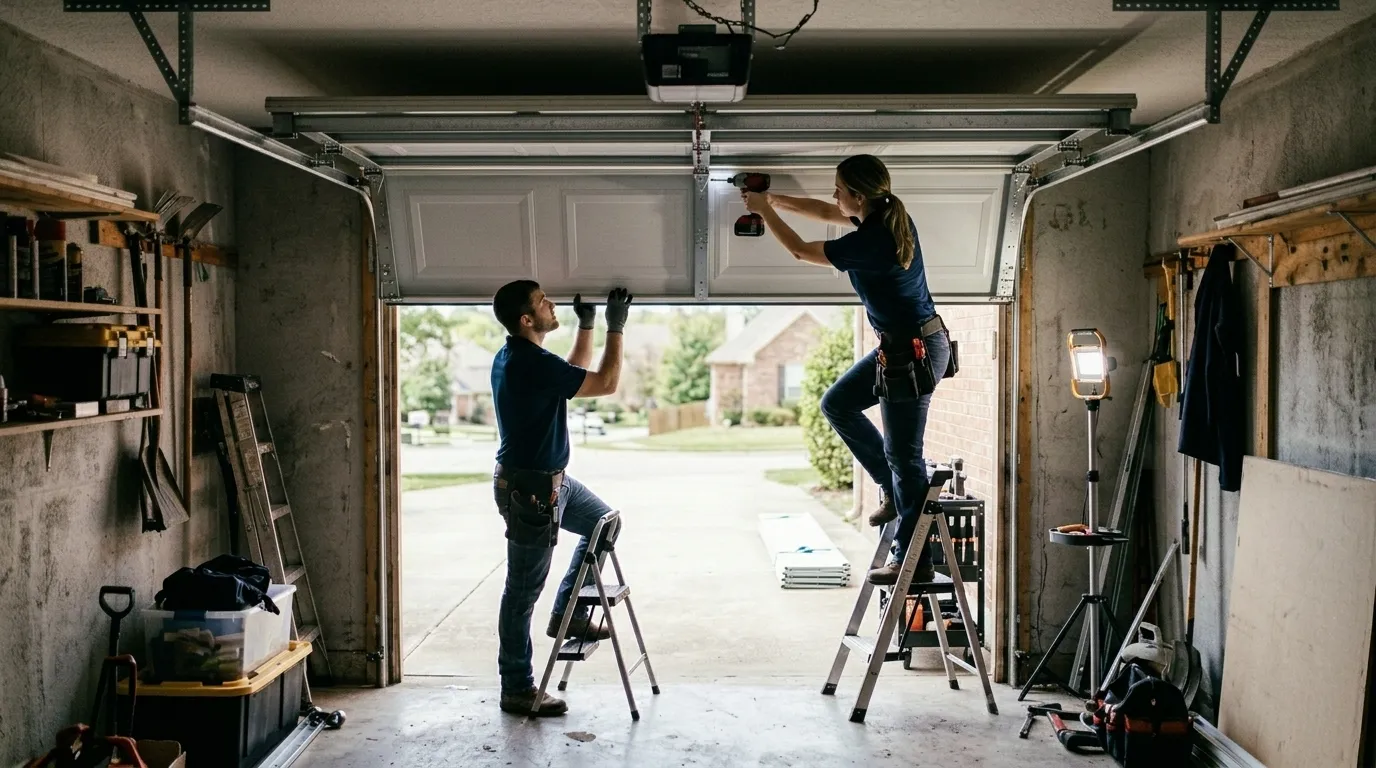
Once we're at the house, we look at the door itself before quoting anything - spring wear, track alignment, panel condition, and whether the opener's motor or the logic board is the actual problem. Cold-climate wear shows up specifically in stiff rollers and slow-closing openers here, which is a different diagnosis than what you'd chase in a warmer market.
We'll explain what we find in plain terms, quote the fix, and do the work if you say go. If the door's beyond a sensible repair - which happens more on the oldest end of that 1944 to 1960s stretch - we'll say so instead of patching something that'll fail again in a season.