
Bellingham Garage Door Guide
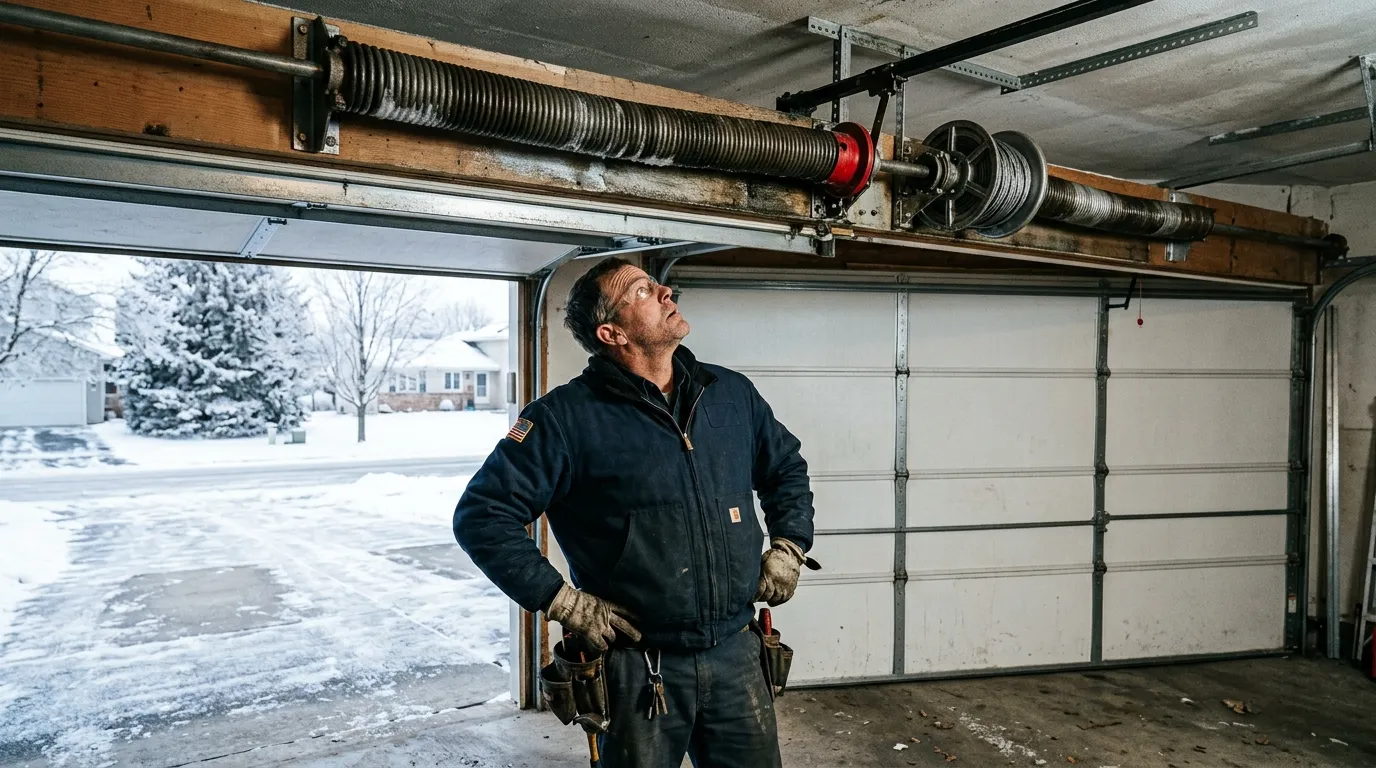
When a Spring Goes in Cold Weather
Why Bellingham's cold, damp winters snap garage door springs on 1980s-90s houses, what can wait, and when a stuck door means call now, not later.
- Licensed & Insured
- Same-Area Service Calls
- Upfront Pricing
What Is Going On
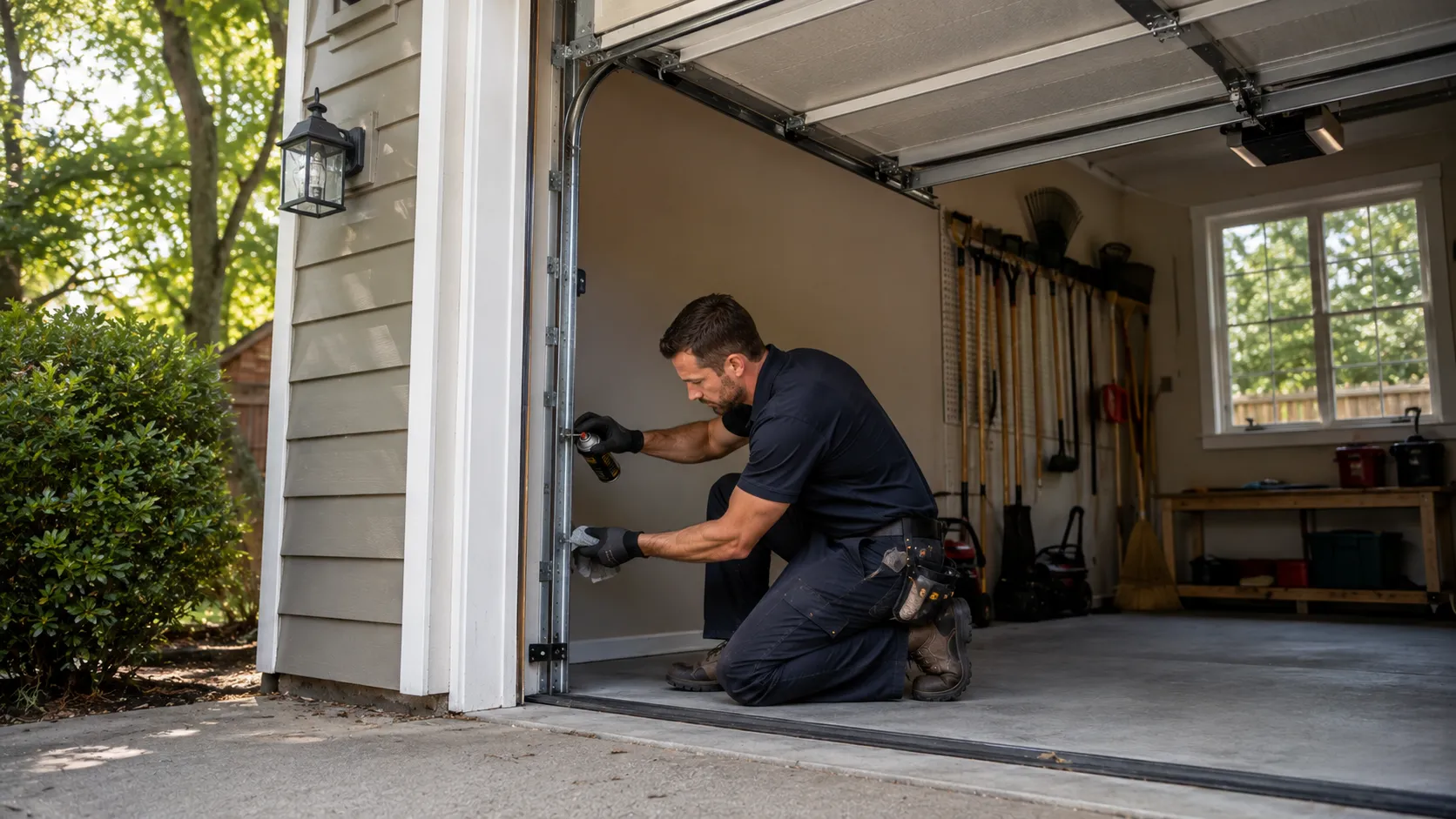
Most houses in the service area went up between 1944 and 2002, with the bulk of that stock dating to the 1980s and 90s across the seventeen neighborhoods we cover, from the Lettered Streets down to Samish Hill. That means a lot of torsion springs are original or on their second replacement, and they're rated for a set number of cycles that has nothing to do with how careful you've been with the door. A spring doesn't wear out gradually the way a belt does.
It holds tension for years, then one cold morning the metal fatigues past its limit and it lets go, usually with a bang loud enough to bring you into the garage to look. If your house is a 1980s build in Cordata or Birchwood, the spring gauge was sized for a lighter door than a lot of owners have since installed. Add a few decades of use and a cold snap and the math catches up.
This isn't a defect in your door. It's a metal part doing exactly what metal parts do at the end of a fatigue curve, and the timing is rarely convenient.
What the Weather Here Does to It
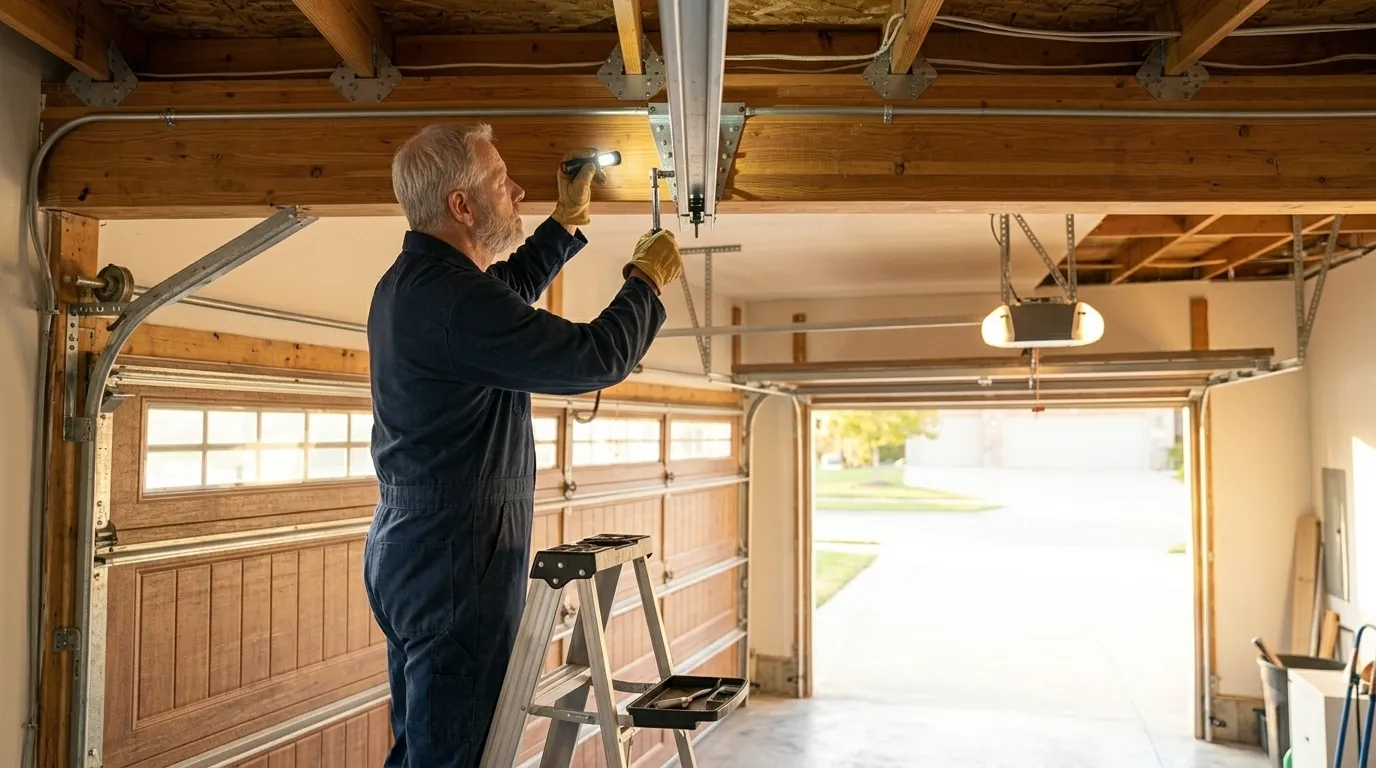
Bellingham sits in a cold, moderate climate band, not the deep-freeze kind that cracks pavement, but cold enough and damp enough that steel contracts and lubricant thickens every winter without fail. A spring under tension is already close to its stress limit; cold steel is a little more brittle and a little less forgiving than warm steel, so the same cycle count gets used up faster on a January morning than a July afternoon. Moisture is the other half of it.
Years of coastal damp work into the coil wraps and the winding cone, and rust doesn't just weaken the metal, it also lets the coils bind and load unevenly. An uneven load is what turns a slow fatigue crack into a sudden snap instead of a shifting doorway. None of this shows up as a warning light.
You get one loud sound, and then the door either won't lift at all or lifts crooked because only one spring on a double-torsion setup let go. If you hear that bang on a cold morning, don't assume it's something small.
When Waiting Is Fine
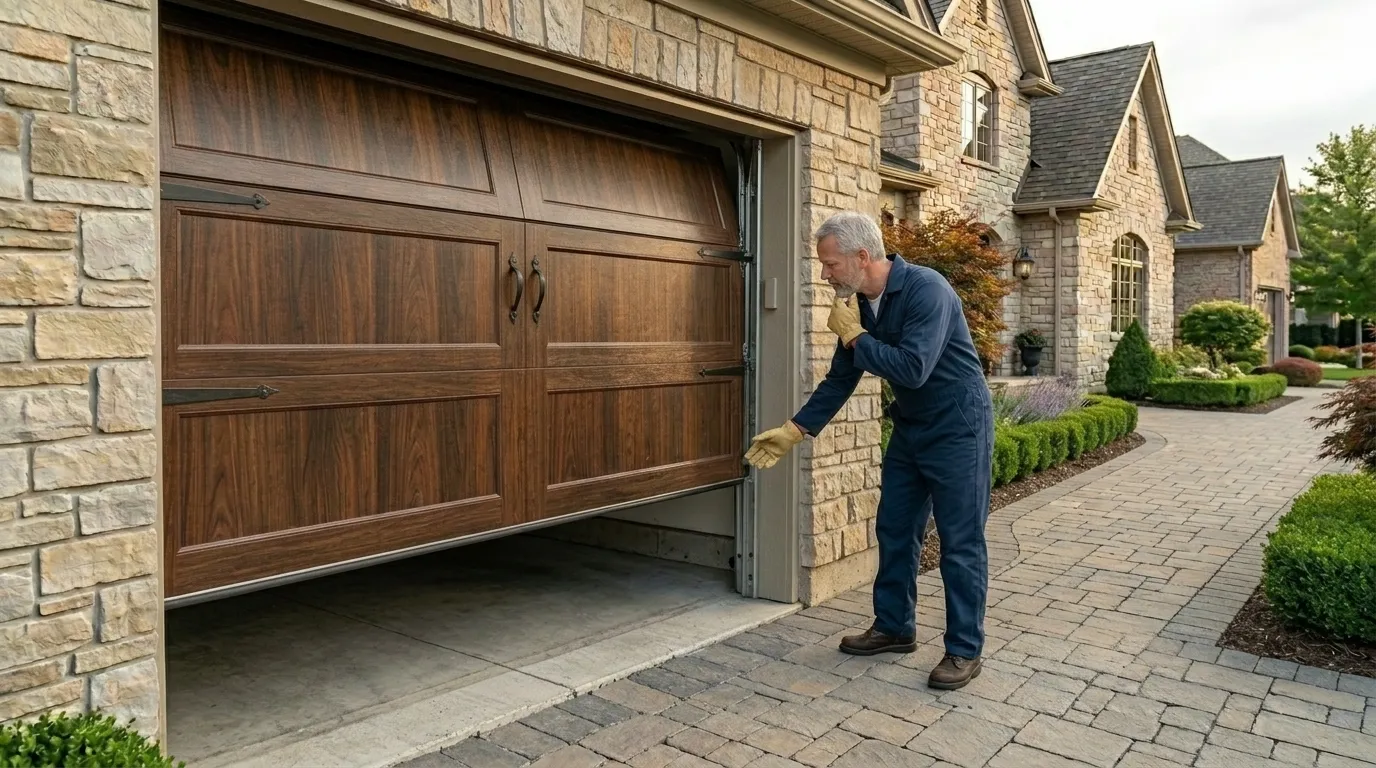
Not every winter symptom means a spring is about to fail. A door that's a little stiff to open by hand in December and loosens up again by March is just cold grease, and it's fine to leave alone if it's not grinding or catching. Some noise on the track from contracted metal is normal too, and doesn't mean anything is failing.
If your door still opens and closes evenly, holds its position halfway up without drifting, and the springs still look tightly wound with no visible gap in the coils, you can wait for a scheduled visit rather than an emergency one. I won't tell you to replace a spring on a schedule if it's showing no signs of wear, and I won't recommend a full opener swap just because it's slow in cold weather. That's money spent on a part that isn't the problem.
When to Call Someone
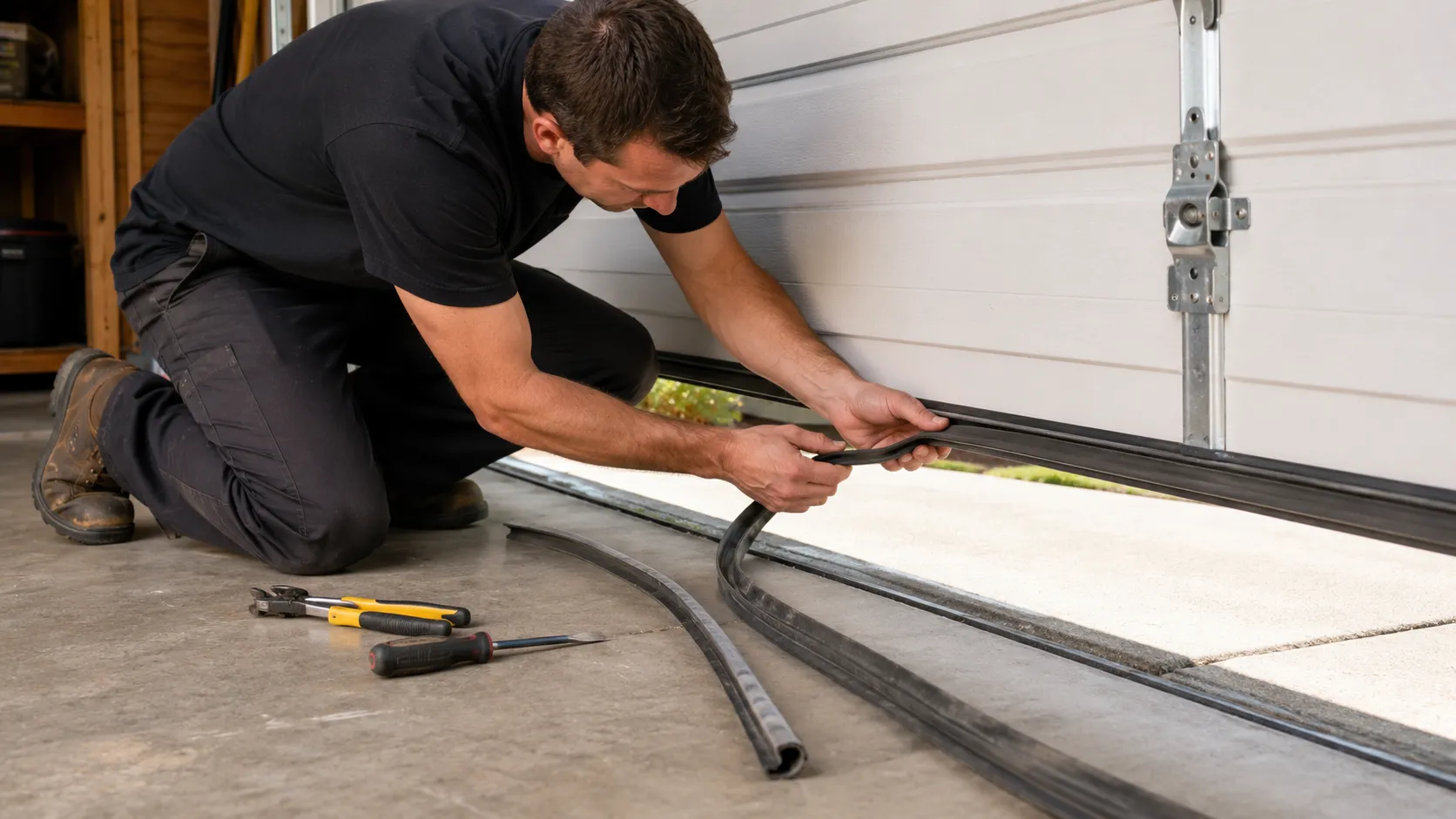
A loud bang followed by a door that won't budge, or one that lifts crooked and jams a few inches up, means a spring has already gone. Don't try to force the door open by hand and don't run the opener again, since that puts the full load on the cables and can bend the track or snap a cable next. If a coil looks stretched, has a visible gap, or you can see a shiny fracture line in the metal, that spring is done even if it hasn't fully separated yet.
On the houses common in this area, torsion hardware from the 1980s and 90s often needs a matched pair replaced together even if only one broke, since the surviving spring is usually close behind on cycle count. That's a job for someone with the bars and clamps to do it safely, not a weekend fix.
How We Can Help
Garage Door Repair
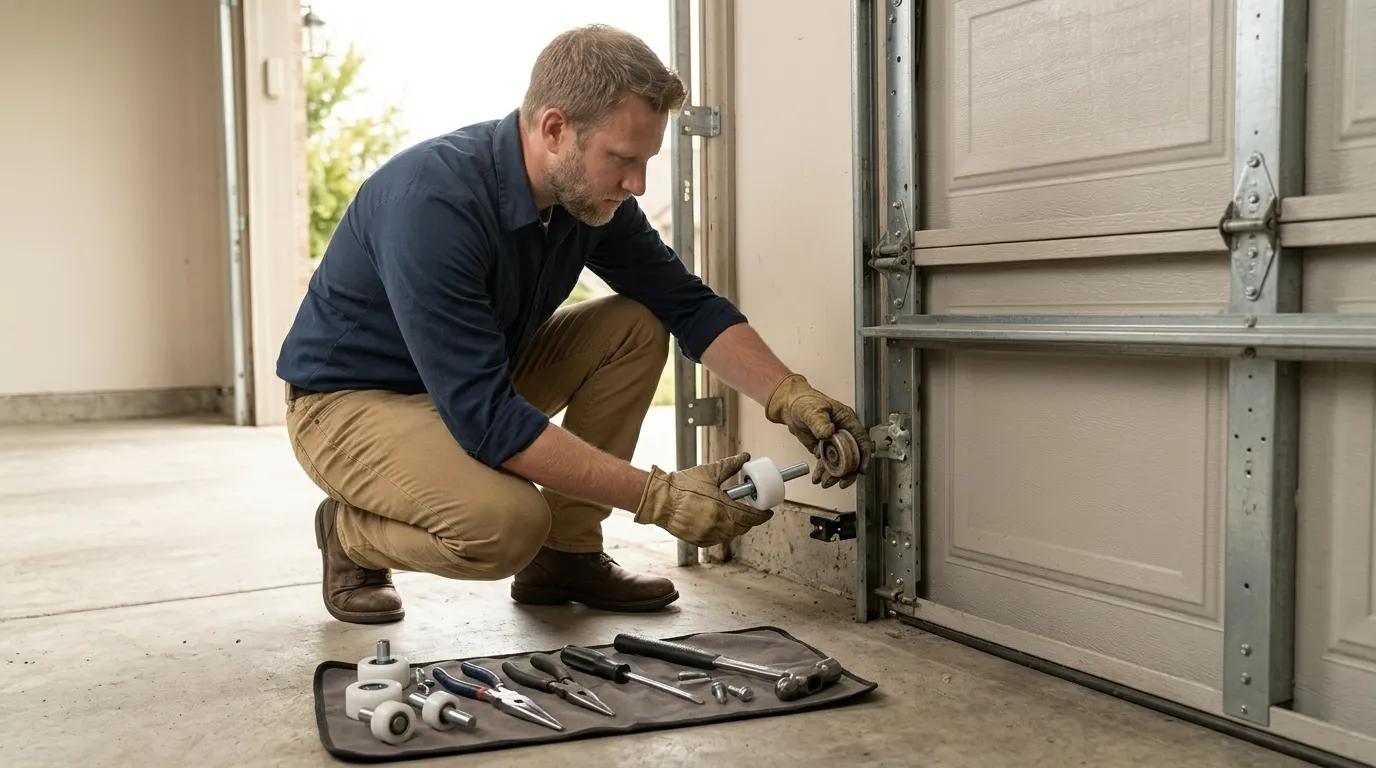
Springs, cables, tracks, rollers, and openers fixed by a tech who explains the problem before touching anything.
Learn more →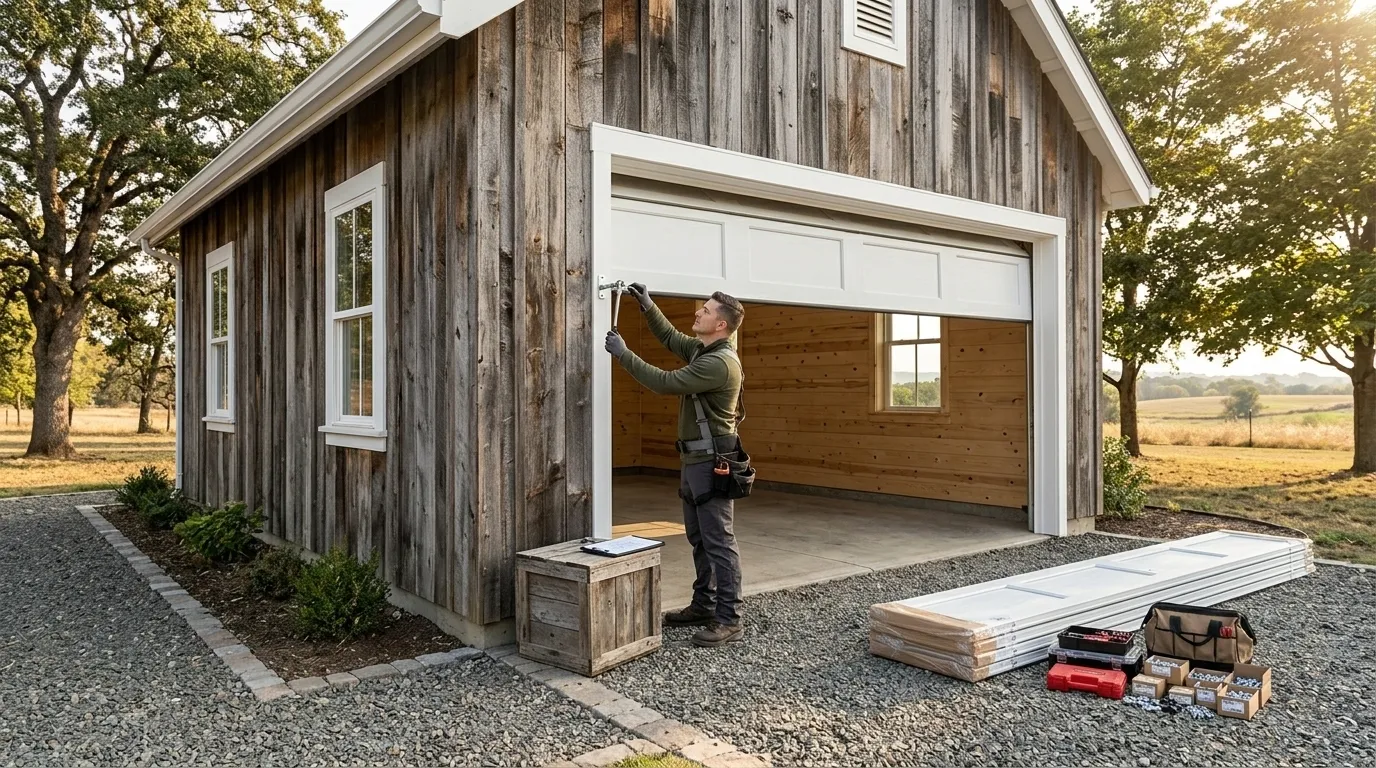
Garage Door Installation
New sectional doors sized and installed for the housing stock actually built in this area.
Learn more →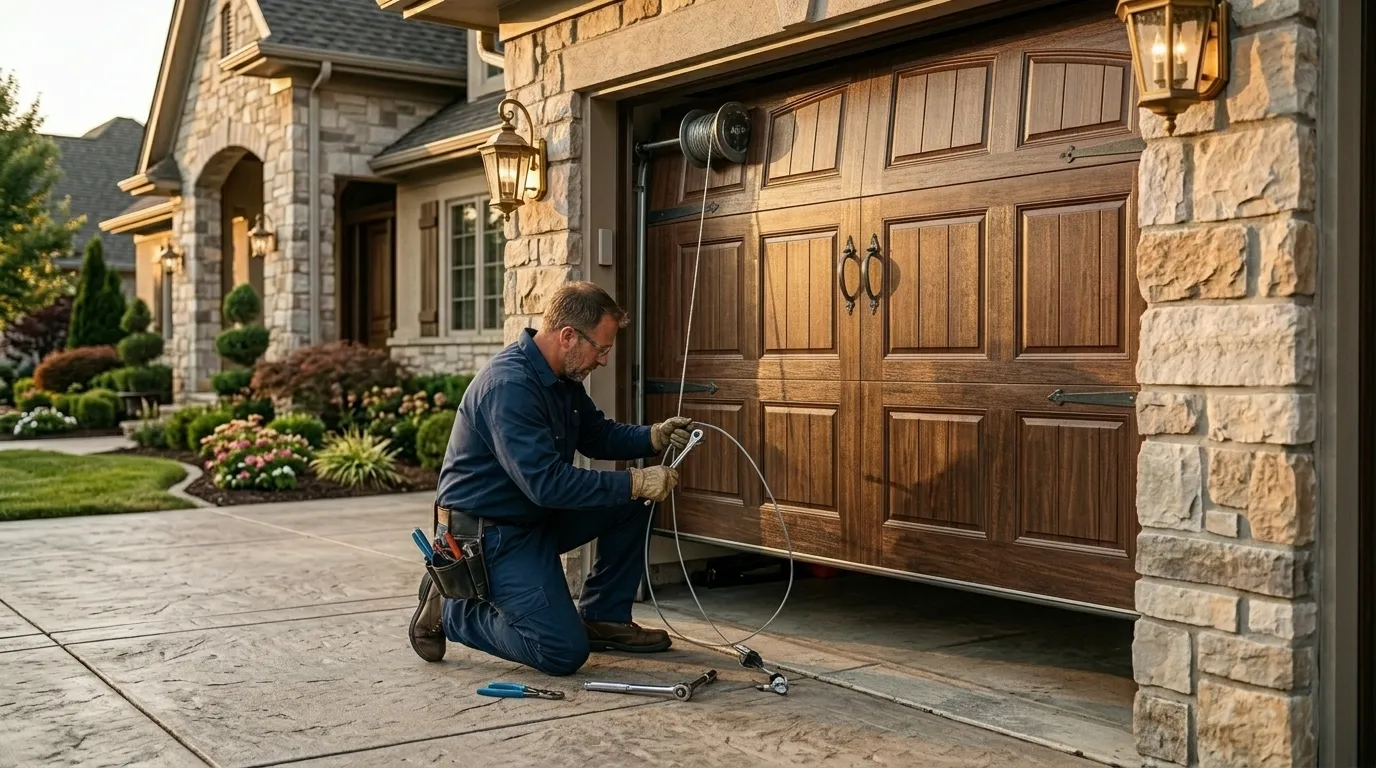
Garage Door Service
Tune-ups, lubrication, and safety checks that catch a small problem before it becomes a service call.
Learn more →Frequently Asked Questions
Why did my garage door spring break in the cold instead of during summer?
Cold steel is more brittle than warm steel, and it's already near the end of a fatigue curve from years of cycles. In this climate, the same worn spring is more likely to finally let go on a cold morning than a mild afternoon, especially if damp has already worked into the coils.
My house was built in the 1980s. Should I replace the spring before it breaks?
Not automatically. If the coils look tight with no gaps or rust pitting and the door still runs evenly, you can leave it. But 1980s and 90s torsion springs are well past the age where failure without warning becomes likely, so don't be surprised if this is the year.
One spring broke on my double door. Do I need to replace both?
Usually yes. If your springs are close in age, which is common on original hardware from this era, the second one is typically close behind on cycle count. Replacing only one often means a second breakage within a year.
Is it safe to open my garage door by hand after a spring breaks?
You can release the opener and lift manually only if you know the door balances safely without tension, which it usually won't with a broken spring. Assume the door is heavy and unbalanced, and don't force it. Call for a fix instead of working around it.
Have a Door That Needs a Second Opinion?
Call and describe what it is doing - we will tell you what it likely is.