
Bellingham Garage Door Guide
What That Noise in Your Garage Door Actually Means
What clunks, squeals, and grinds actually mean on the 1980s-90s garage doors common across Bellingham's neighborhoods, and when a noise is safe to leave alone.
- Licensed & Insured
- Same-Area Service Calls
- Upfront Pricing
What Is Going On
Most of the housing stock in this service area went up between 1944 and 2002, with the median build year landing around 1988. That means a lot of the doors we get called on in Cordata, Birchwood, and out toward Samish Hill are original or first-replacement units from the late 80s and 90s, running on hardware that was standard for that era: extension springs on older builds, torsion springs on the newer end, steel rollers instead of nylon, and openers with chain drives that were common before belt drives took over. A rattle on a door like that isn't random.
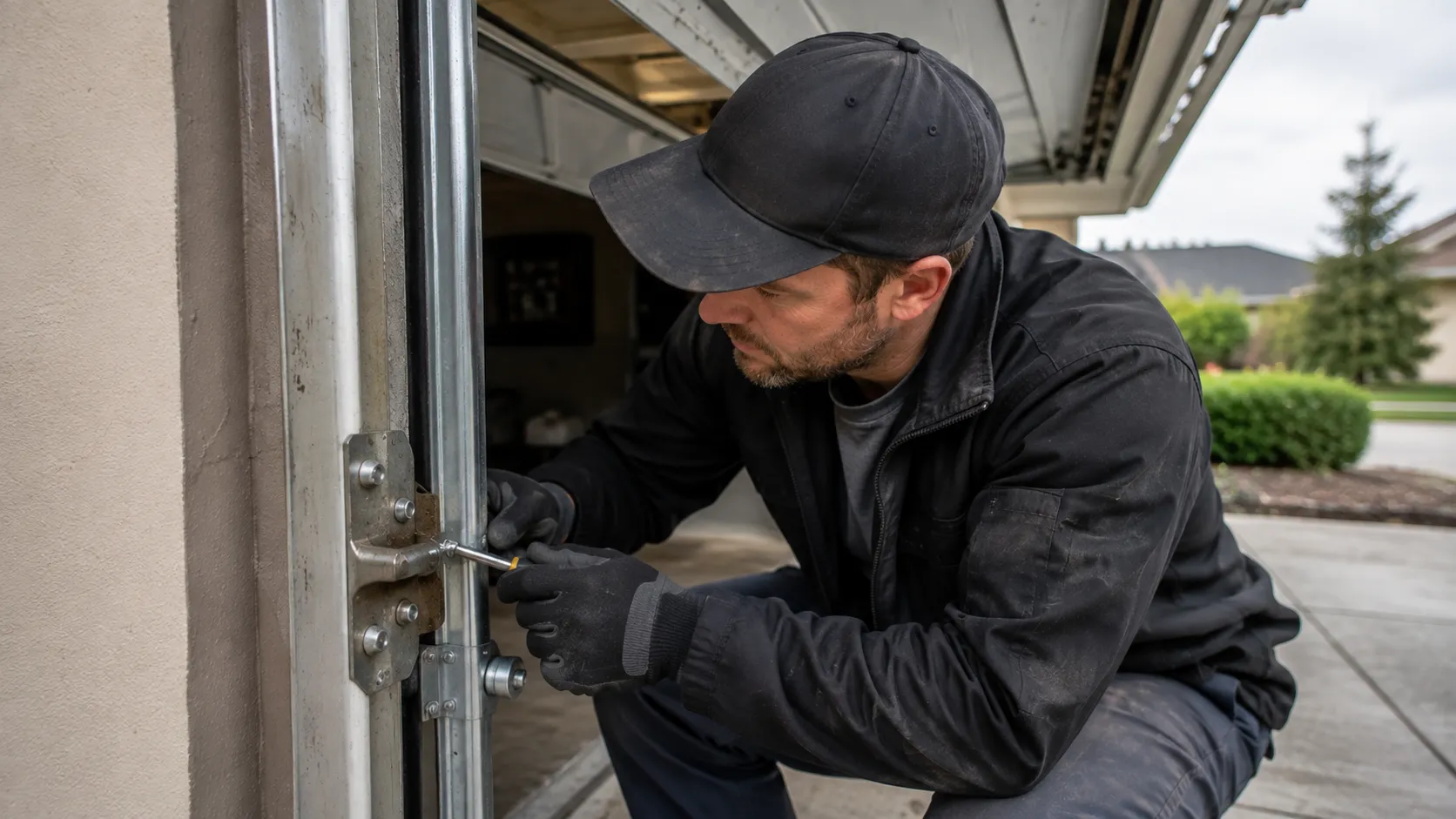
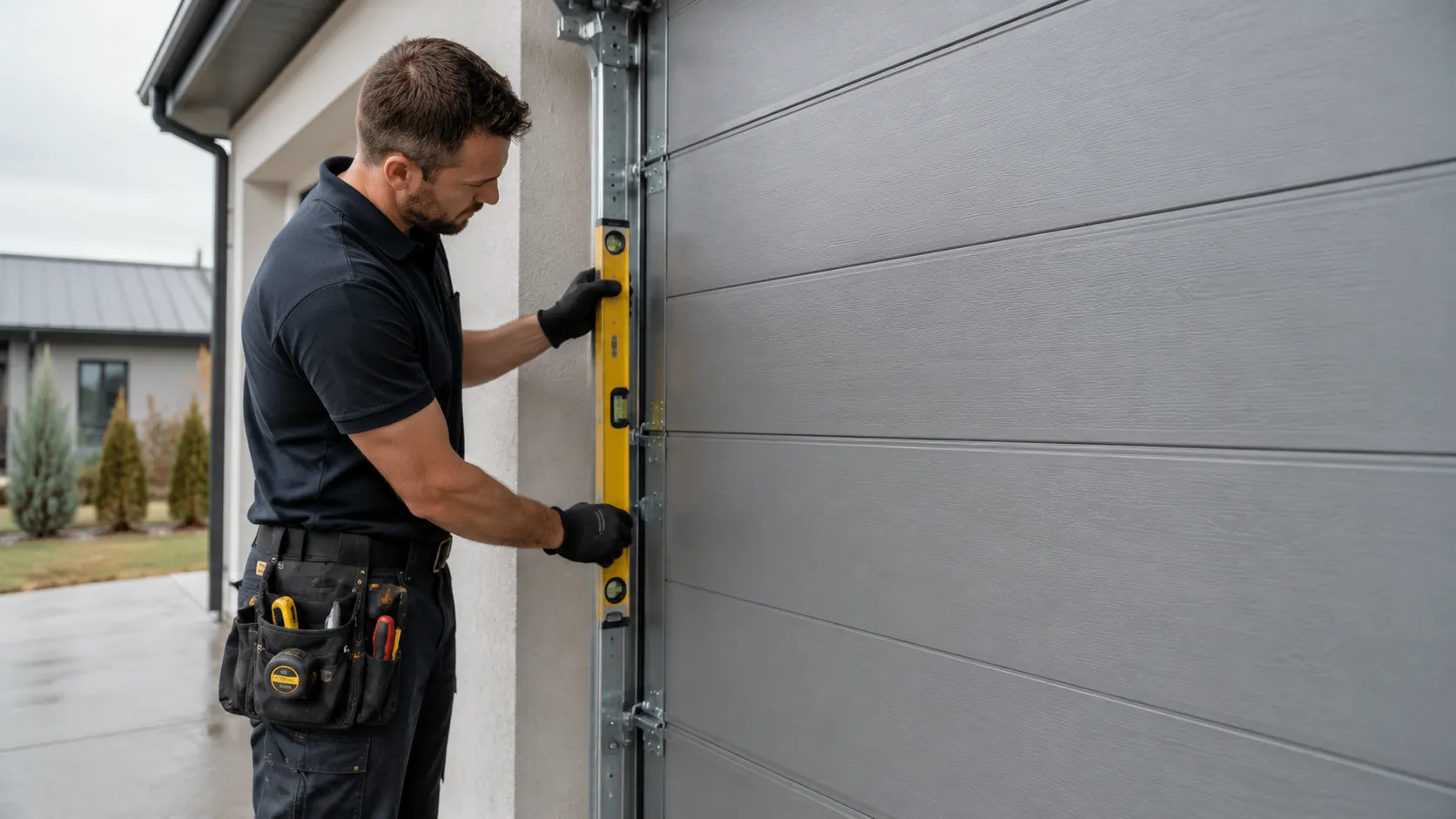
It's usually one of three things: a roller that's worn its bearing out, a hinge that's stretched its screw holes, or a track bracket that's backed loose after twenty-plus years of the same door going up and down. None of that is exotic. It's just what happens to hardware from that period after enough cycles.
The noise is the hardware telling you which part is nearing the end of its run, not a sign the whole door is failing. Knowing the build era of your neighborhood's housing stock is actually useful here, because it tells you which decade of hardware you're probably listening to.
What the Weather Here Does to It
This area sits in a cold, moderate climate band, not the deep-freeze extremes some parts of the country get, but enough seasonal temperature swing and damp to matter for a door built in the 80s or 90s. Steel track brackets and lag screws driven into framing thirty-plus years ago go through repeated expansion and contraction every year, and over enough winters that works screws loose and lets brackets shift a fraction of an inch. That fraction is enough to turn a quiet track into one that squeals or bangs on the way up.
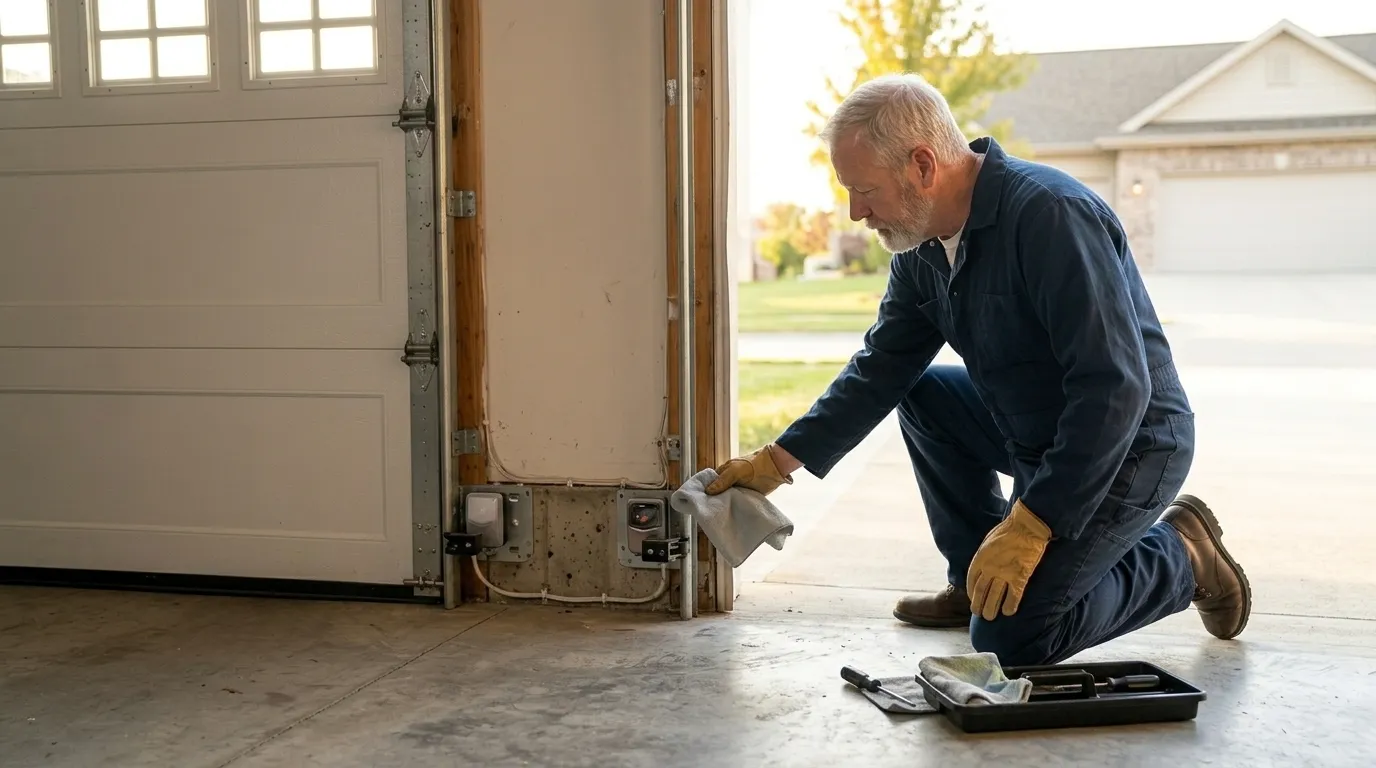
Moisture in a cold-moderate climate also does something specific to old grease: it thickens or washes out of hinge pins and roller stems, so metal starts running on metal instead of on lubricant. That's the dry-metal squeal you get on a first cold morning that quiets down once the door's been run a few times and the residual grease redistributes. It's not usually a sign the part failed overnight.
It's a sign the part is old enough and the weather is doing what cold-moderate weather does to hardware that's overdue for fresh lubricant and a bracket check.
When Waiting Is Fine
A dry squeal on a cold morning that fades after the door's run a couple of times is not an emergency. Neither is a light rattle from a roller that's due for replacement but still rolling true. If your door is from that common 1980s-90s stock and it's been making the same low-grade noise for weeks without getting louder or changing character, you can usually wait until it's convenient.
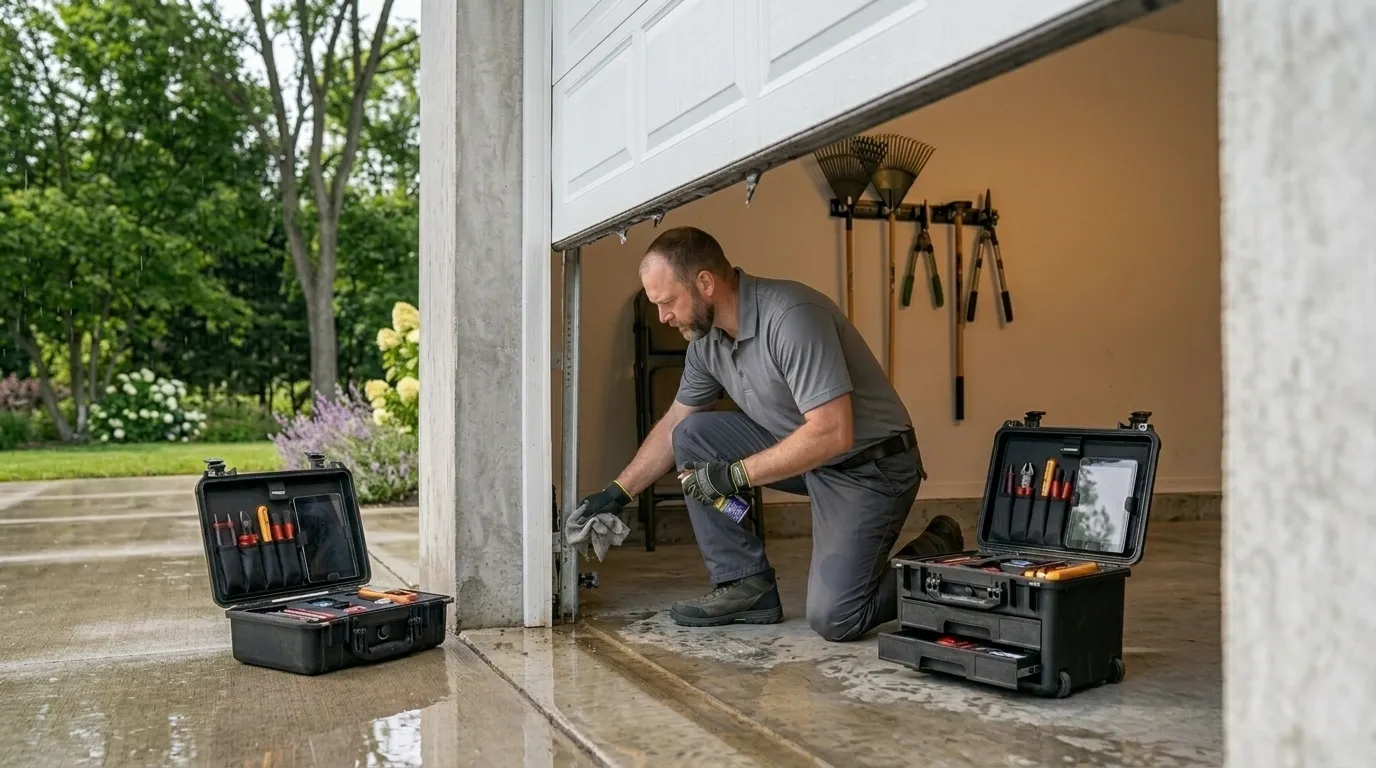
Lubricating hinges and rollers yourself with a garage-door-specific lubricant, not household oil, will often quiet things down for months at a time. One honest limitation: we can't tell you over the phone whether a noise is cosmetic or the start of something bigger; some sounds genuinely need a hand on the door to diagnose. But as a general rule, noise that stays the same week to week is a door managing its own age, not a door about to fail.
When to Call Someone
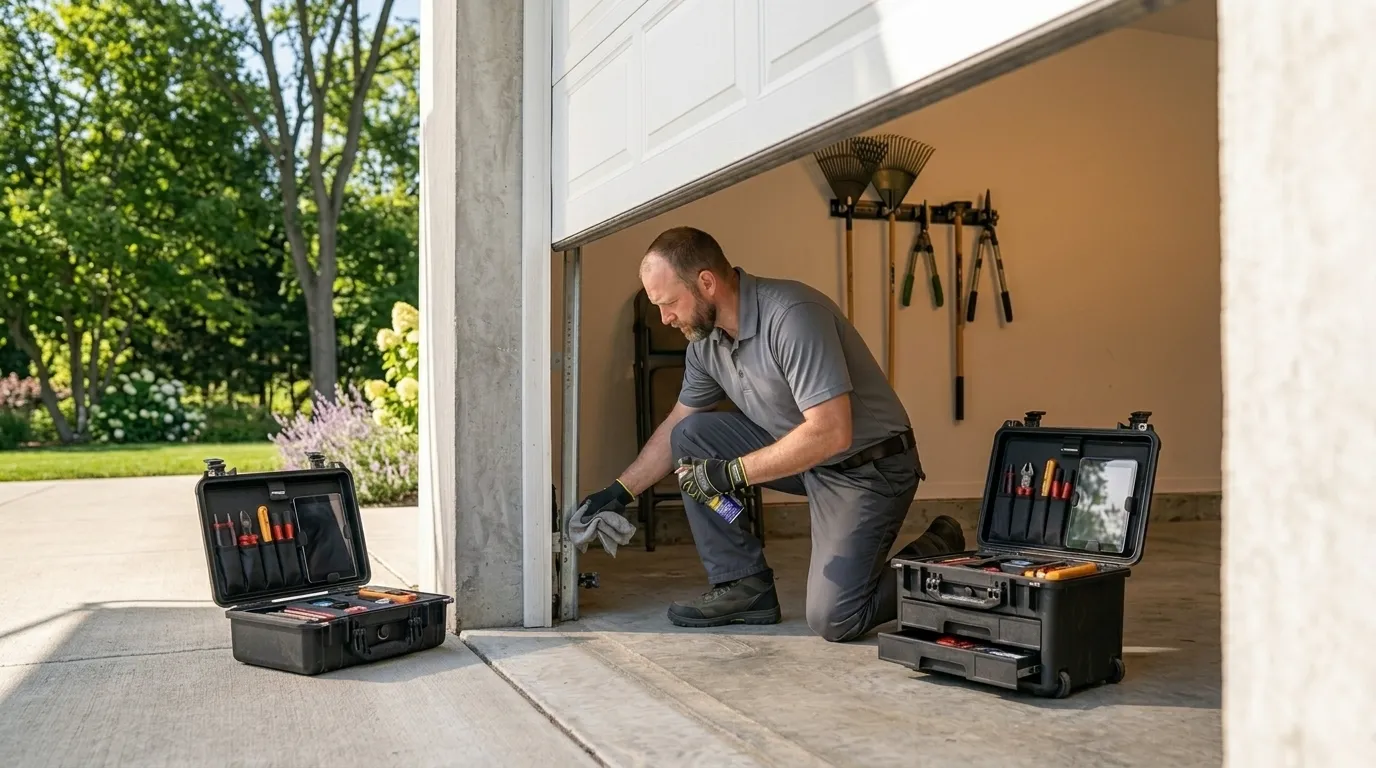
Some sounds don't wait. A loud bang followed by the door refusing to move, a grinding sound that's new and getting worse, or a cable that's visibly frayed at a drum on one of these older extension or torsion setups means stop using the door and call. On hardware this age, a spring or cable that lets go under tension can do real damage or hurt someone standing nearby.
If the noise has changed pitch or gotten louder over the past week rather than staying flat, that's usually the hardware telling you it's near the end, not just dry. Given how much of the stock across this service area sits in that 1944-2002 range with a median around 1988, a lot of these calls end up being straightforward replacements of parts that were never meant to last forty years in the first place, not a sign anything was installed wrong.
How We Can Help
Garage Door Repair
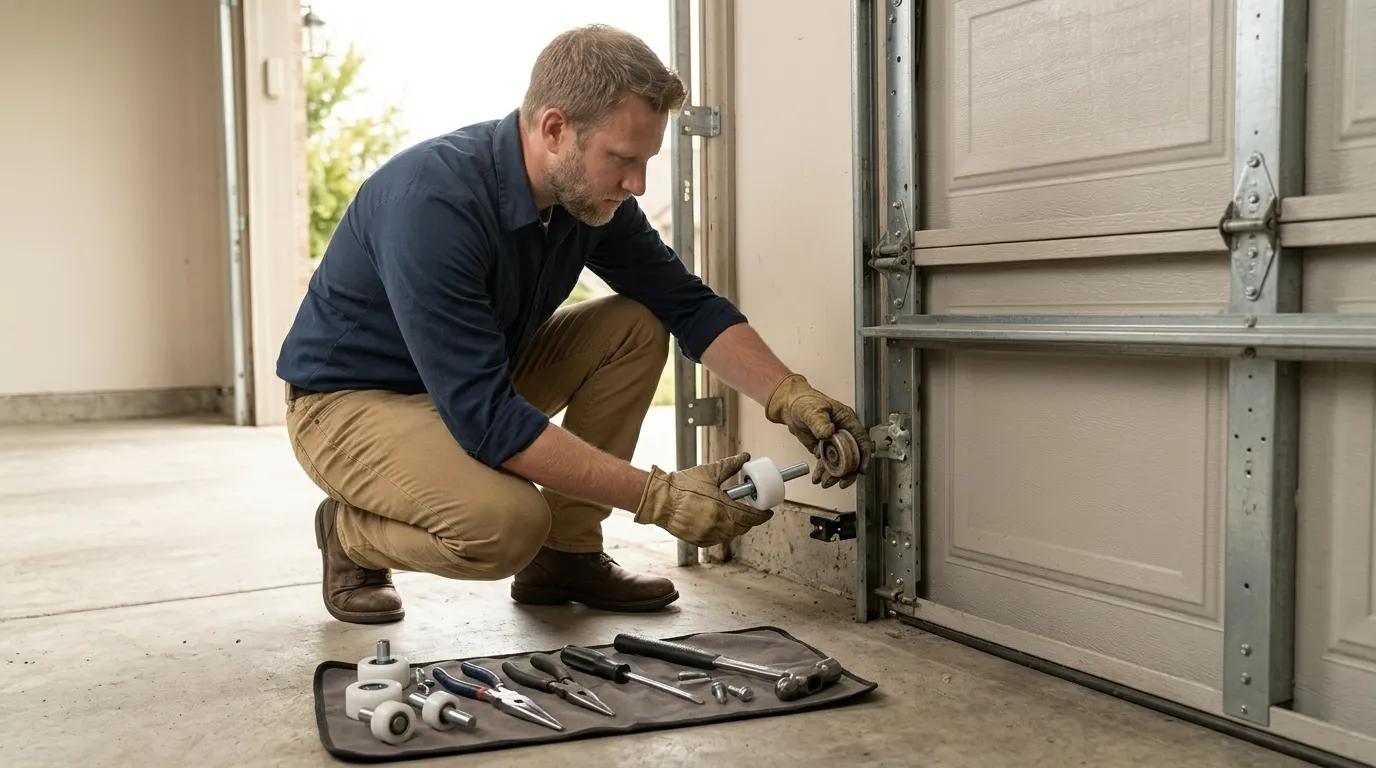
Springs, cables, tracks, rollers, and openers fixed by a tech who explains the problem before touching anything.
Learn more →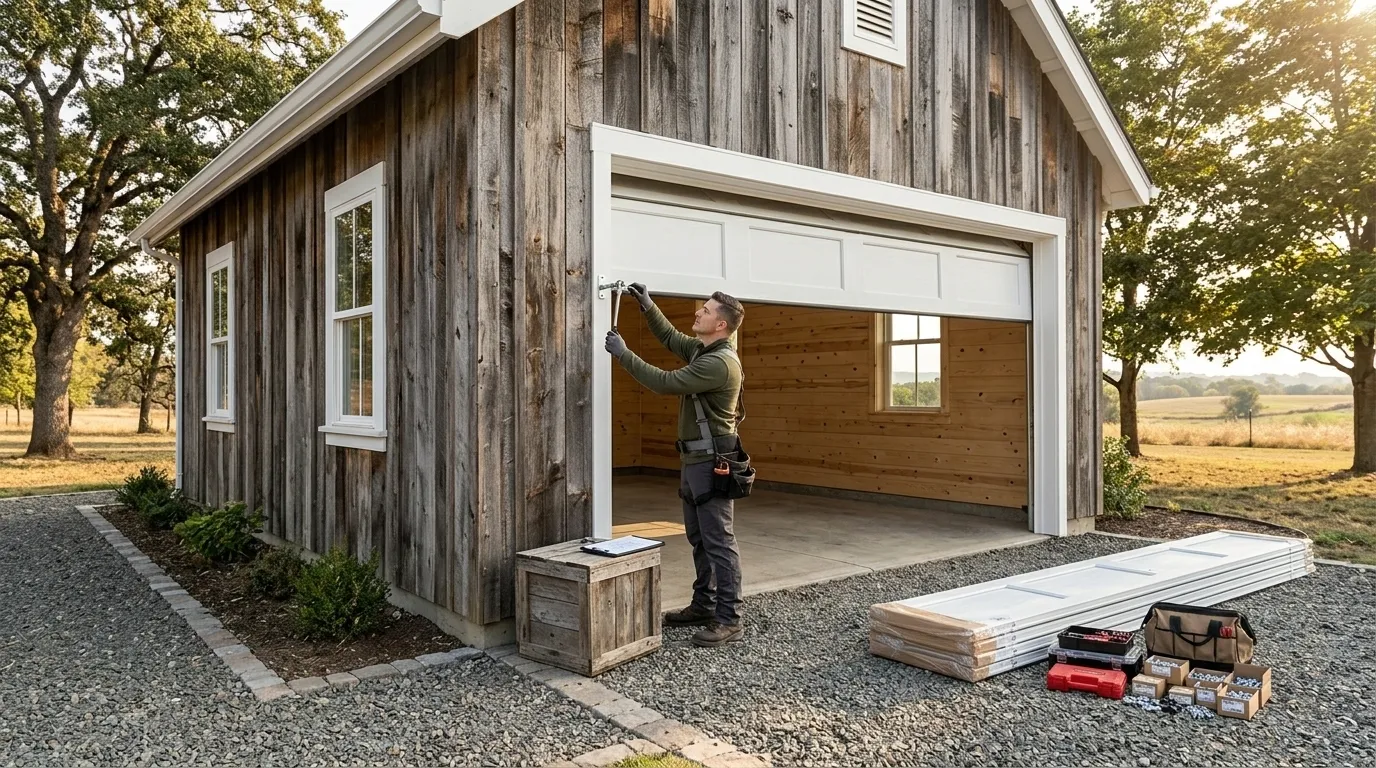
Garage Door Installation
New sectional doors sized and installed for the housing stock actually built in this area.
Learn more →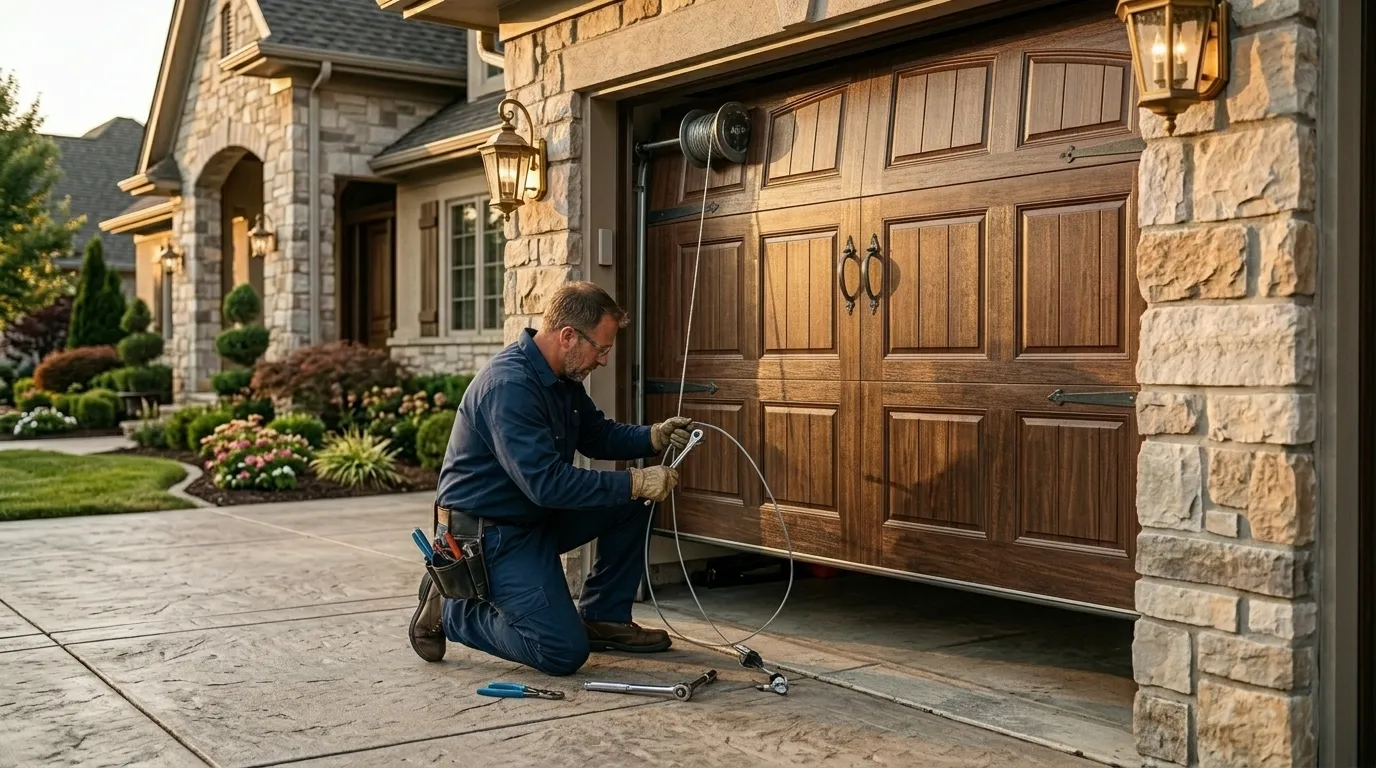
Garage Door Service
Tune-ups, lubrication, and safety checks that catch a small problem before it becomes a service call.
Learn more →Frequently Asked Questions
Why does my garage door only squeal on cold mornings?
In this cold-moderate climate, grease in hinges and roller stems thickens overnight and metal runs dry on metal for the first cycle or two. Once the door's been run a few times the residual lubricant redistributes and the squeal usually fades. If it doesn't fade after a few cycles, the part is likely past due for lubricant or replacement.
My house was built in the late 80s, is that why the door is loud?
Possibly. A lot of the housing stock in this area dates to the 1980s and 90s, and hardware from that period, rollers, hinges, chain-drive openers, is now old enough that bearings and grease have worn out. Age-related wear is a common source of new noise on doors from that era.
Is a banging sound always serious?
A single loud bang followed by the door refusing to move usually means a spring or cable has let go, and that's a stop-and-call situation, especially on older extension or torsion setups. A softer, repeated bang is more often a loose bracket working itself free over time.
Have a Door That Needs a Second Opinion?
Call and describe what it is doing - we will tell you what it likely is.